


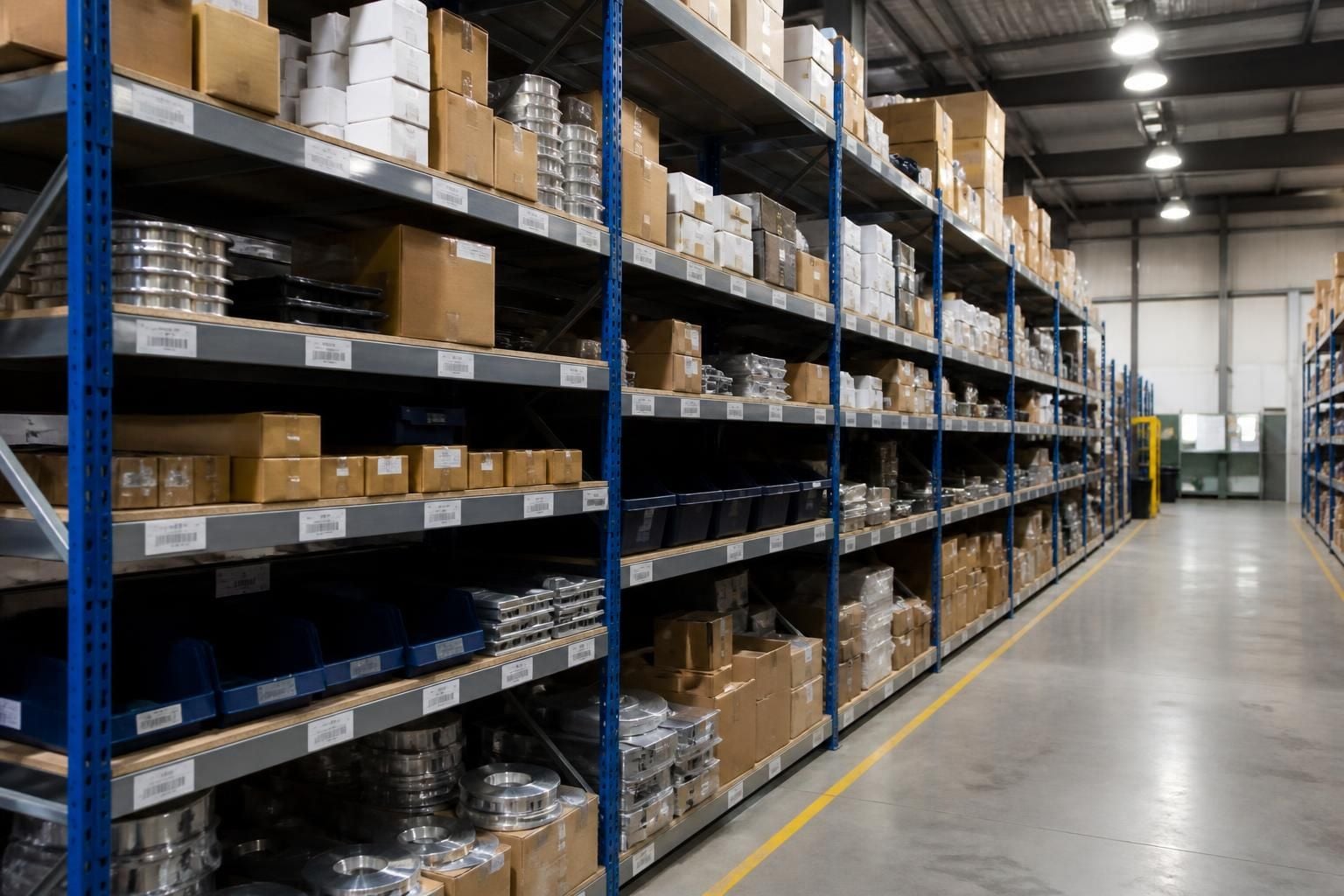
Warehouse Shelving for Better Storage
Warehouse shelving systems organise stock, picking areas and reserve inventory without requiring a change of premises. Spartan Direct designs, supplies and installs adjustable shelving to suit available space, load requirements and workflow, helping warehouses use capacity more effectively.
How to Choose the Right Warehouse Shelving
Warehouse shelving is a storage framework selected around the building, the goods being stored and the way staff need to access them. Start by assessing the usable floor area, ceiling height, columns, doorways and other fixed obstructions, then allow sufficient clearance for safe movement, handling equipment and access to building services.
The goods themselves determine the most suitable shelf arrangement. Compare the dimensions, weight, packaging and stability of each item, as well as how frequently it is retrieved and whether staff will pick items by hand or use handling equipment. Smaller products may suit shelves with bins or dividers, while bulky or heavier stock may require deeper shelves, stronger components or a different storage solution.
Future requirements should also influence the choice. A modular or adjustable shelving system can make it easier to alter shelf levels, add sections or reconfigure storage as stock lines and working practices change. A site survey followed by written proposals and working drawings provides a practical basis for checking the layout, access points and intended capacity before installation.
Warehouse Shelving Options Compared
When is longspan shelving more suitable than pallet racking in a warehouse?
Adjustable shelving suits changing stock and hand-picking; longspan handles larger loads and bulky items; mobile systems increase density but cost more and require suitable floors, access planning, and installation coordination.
What load capacity should warehouse shelving provide for different stock types?
Select capacity from the heaviest stored item, including packaging, while allowing a safety margin. Light cartons suit standard shelving; dense, bulky or unusually heavy goods need reinforced or heavy-duty systems.
What floor conditions are needed for warehouse shelving installation?
The floor should be sound, level and capable of supporting shelving loads and installation activity. Check slab condition, uneven areas, damage, drainage and obstructions before confirming layout, anchoring, installation requirements.
Which warehouse shelving layout best supports efficient manual picking?
Use labelled, accessible bays with consistent shelf heights, logical product zoning and unobstructed pick faces. Position fast-moving lines near dispatch, while replenishment routes remain separate during restocking and routine checks.
How should warehouse shelving be adapted for awkwardly shaped stock?
Use adjustable shelves with shorter spans, dividers and retaining edges for irregular or unstable items. Cantilever racking suits long, heavy stock, while bespoke supports accommodate unusual shapes safely where necessary.
Warehouse Shelving Features for Efficient, Safe Operation
Warehouse shelving systems are structured storage installations that support stock location, picking and replenishment. This section compares practical features including bay configuration, load suitability, component durability and access considerations, helping assess safety, workflow and long-term use.
Space-Efficient Bay Layouts
Shelving bays can be planned around columns, walls, doors and working routes so that storage uses the available footprint without obstructing access. The layout should retain practical clearances for people, handling equipment and emergency routes.
Load-Suitable Components
Shelves and supporting components should be chosen according to the weight, dimensions and stability of the stock. Matching the system to the intended loads helps maintain orderly storage and reduces the risk of unsuitable shelves being used for heavier items.
Accessible Picking Positions
Open shelving provides direct access to stock for hand picking, making it suitable for products that are retrieved frequently. Shelf heights and product locations can be arranged to reduce unnecessary reaching, bending and searching during routine picking.
Clear Stock Identification
Consistent shelf labelling and defined product locations help staff identify, pick and replenish items accurately. This is particularly useful where a warehouse holds many stock lines or separates fast-moving items from reserve inventory.
Protection and Ongoing Checks
Where shelving is exposed to handling equipment or busy traffic routes, suitable barrier protection can help limit accidental impact. Regular visual checks and planned racking inspections provide a basis for identifying damage or changes that require attention.
Questions to Ask Before Choosing Warehouse Shelving
What compliance checks should be completed before installing warehouse shelving?
An accurate survey should record dimensions, obstructions, access routes, floor conditions, goods and handling methods. These details support a workable shelving specification, layout and installation plan before quotation and installation.
How much disruption should warehouse shelving installation cause?
Disruption depends on access, layout and installation method. Discuss phasing, temporary stock movements, exclusion zones and access routes during consultation, so written proposals reflect operational constraints before the installation begins.
What maintenance schedule should warehouse shelving follow after installation?
After installation, inspect shelving at intervals based on use, load and site conditions. Record damage, loose components and altered configurations, then arrange competent repairs before the bay returns to service.
Can warehouse shelving be reconfigured when stock requirements change?
Yes—adjustable shelving can be reconfigured by changing shelf levels, adding or removing bays, or relocating components. Confirm revised loads, stability, clearances and access before safely altering the installed arrangement.
What should a warehouse shelving quotation include?
A warehouse shelving quotation should state the proposed layout, shelf types, load requirements, quantities, installation scope, exclusions and assumptions. Check drawings, project responsibilities and the 14-Business-Day validity before accepting it.



