Correct installation and ongoing safety management are critical to the performance and lifespan of any pallet racking system. Even the highest-quality racking can become unsafe if it is installed incorrectly or not maintained properly.
Warehouse racking systems must comply with UK safety standards and be suitable for the loads, handling equipment, and operating conditions within the warehouse. Understanding pallet racking installation and safety requirements helps businesses reduce risk, protect staff, and maintain efficient operations.
At Spartan Direct, we support customers with warehouse racking installation guidance and best-practice advice to ensure systems are safe, compliant, and built to last.
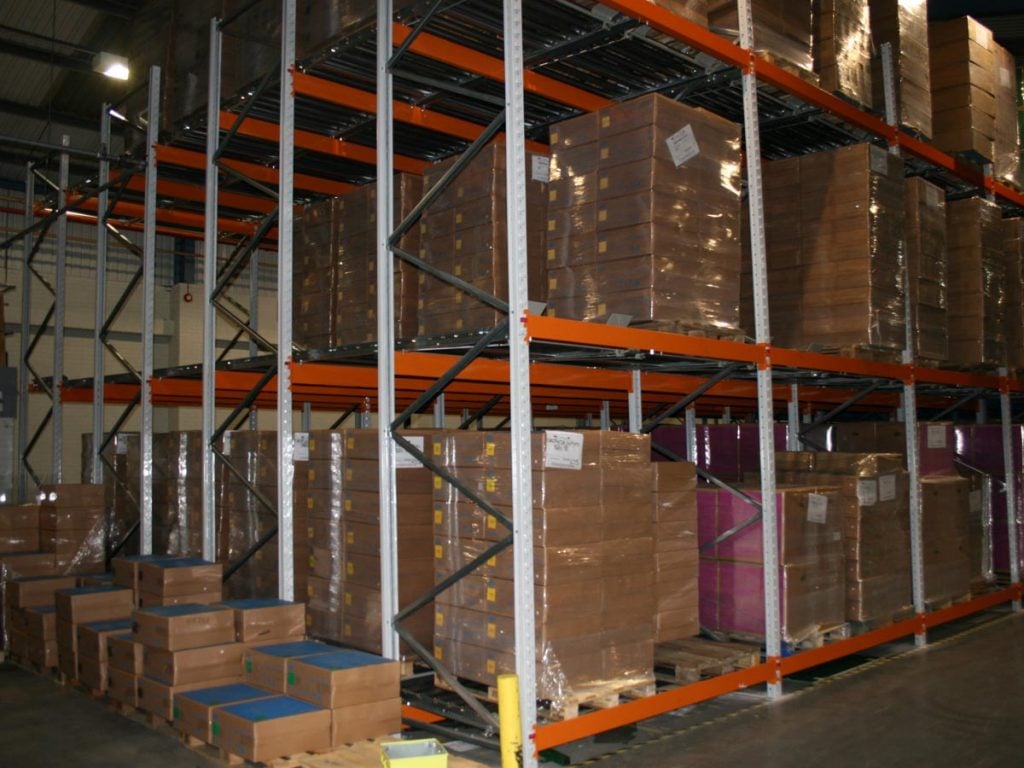
Supporting Safe and Compliant Warehouse Storage
Safe pallet racking starts with correct design and installation, but it does not end there. Ongoing inspections, clear load signage, and proper staff training are essential to maintaining safe warehouse racking systems.
Spartan Direct supplies robust pallet racking solutions and supports customers with guidance on pallet racking installation, inspections, and safe use to help maintain compliant and efficient warehouse environments.
10 Common Questions About Heavy Duty And Specialist Pallet Racking
How is pallet racking installed?
Pallet racking is installed by securing upright frames to the warehouse floor and fitting load beams at specified heights.
Installation must follow manufacturer guidelines to ensure correct load distribution and structural stability.
Who should install pallet racking?
Pallet racking should be installed by trained professionals with experience in warehouse racking installation.
Professional installation helps ensure the system meets safety standards and performs as designed.
What UK regulations apply to pallet racking?
Pallet racking in the UK must comply with health and safety legislation, including the Health and Safety at Work Act and relevant industry standards.
Employers are responsible for ensuring the racking is safe to use and properly maintained.
What is a pallet racking inspection?
A pallet racking inspection is a formal assessment of the racking system to identify damage, overloading, or structural issues.
Inspections help prevent accidents and ensure continued compliance with safety requirements.
How often should pallet racking be inspected?
Regular visual checks should be carried out by warehouse staff, with formal inspections conducted at least annually by a competent person. High-risk environments may require more frequent inspections.
What are pallet racking load signs?
Pallet racking load signs display the maximum safe working load for each bay and beam level. These signs are essential for safe operation and must be clearly visible to warehouse staff.
What causes pallet racking damage?
The most common causes of damage are forklift impacts, overloading and incorrect pallet placement. Even minor damage can compromise the integrity of the system if left unaddressed.
What should you do if pallet racking is damaged?
Damaged racking should be unloaded immediately and assessed by a competent person. Repairs or replacements should be carried out promptly to prevent further risk.
Can pallet racking be relocated or modified?
Many pallet racking systems can be relocated, extended or reconfigured. However, any changes should be planned carefully to ensure continued safety and compliance with load requirements.
Why is pallet racking safety so important?
Poorly installed or damaged racking can lead to collapsed systems, damaged stock and serious injuries.
Prioritising pallet racking safety protects staff, reduces downtime and ensures reliable warehouse operations.