


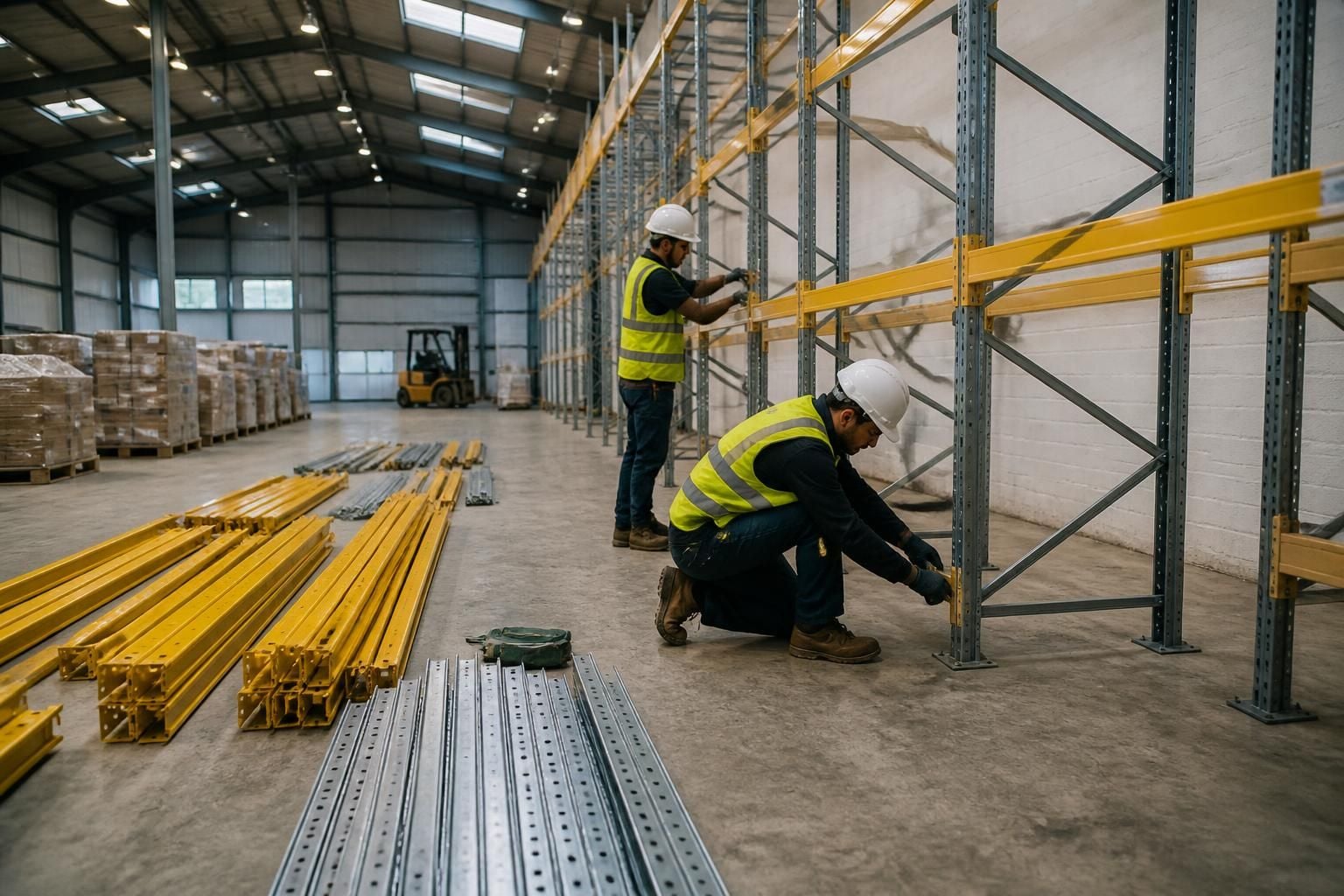
How disruptive is installing used pallet racking?
Installing used pallet racking can disrupt warehouse access and movement, depending on the layout, stock and installation plan. We can assess the site, prepare working drawings and coordinate installation so you can plan affected areas before work begins.
Installing used pallet racking can cause temporary disruption, but the impact depends on the warehouse layout, stock levels, access routes and installation sequence. The affected aisles may need restricted access while work takes place, rather than the whole warehouse closing.
Planning the work around warehouse activity helps you understand where movement, picking and storage may be affected. It also gives you an opportunity to protect stock, separate installation areas and maintain clear routes for people and equipment.
What usually creates disruption?
- Access restrictions: Installers need room to bring components into position and assemble frames, beams and protection. Nearby aisles may therefore need temporary clearance.
- Stock movement: Stock stored in the installation area may need moving before work starts. This can affect picking locations and temporary storage arrangements.
- Traffic changes: Forklift and pedestrian routes may require temporary alteration. Clear separation helps prevent installation activity mixing with normal warehouse movement.
- Working space: Racking components need a controlled area for unloading, sorting and assembly. The size and position of this area depend on the site and the installation plan.
- Existing operations: Receiving, despatch, picking and production activities can all influence the order in which sections are installed.
Used pallet racking can introduce additional planning considerations because components may have been used previously. The proposed arrangement must suit the available space, intended loads and working pattern before installation begins.
A site meeting and survey can help identify restricted areas, access points, floor conditions and stock movements. Written proposals and working drawings then provide a clearer basis for discussing the work sequence.
How can you reduce the effect on warehouse activity?
- Mark the affected area: Identify the aisles, bays and access routes involved. Include space needed for unloading, assembly and movement around the work area.
- Plan stock movements: Decide which stock must move before installation. Record temporary locations so picking teams can still find essential items.
- Separate people and equipment: Use the agreed workplace controls, barriers and marked routes to keep installation activity distinct from normal operations.
- Sequence the work: Installing one defined section at a time can make affected areas easier to identify. The suitable sequence depends on the layout and the work required.
- Coordinate deliveries: Agree where materials can arrive and wait without blocking fire routes, loading areas or everyday warehouse access.
- Confirm the handover: Before using each completed section, check that the agreed arrangement, access and load information are understood by relevant staff.
These steps do not remove every interruption. They make the affected areas clearer and help you prepare stock, staff and equipment for the planned work.
Disruption can also increase if the installation reveals changes needed to the proposed arrangement. Examples include unsuitable access, missing components, unexpected floor conditions or a layout that conflicts with warehouse traffic.
Discussing these points before installation gives you a more realistic view of the work. It also helps distinguish between areas that need temporary restriction and areas that can continue operating.
For projects involving several storage or workplace changes, project management may be offered from proposal and tender stages through installation and final commissioning. This provides one point of coordination for the agreed work, drawings, site activities and completion arrangements.
Spartan Direct Limited has worked on storage systems for companies of different sizes since 1982. That background informs practical planning, but the expected disruption still depends on the individual site and agreed installation scope.
We work with commercial, industrial and warehouse sites across the West Midlands. A no-obligation consultation can help you identify the likely restrictions before deciding how to proceed.
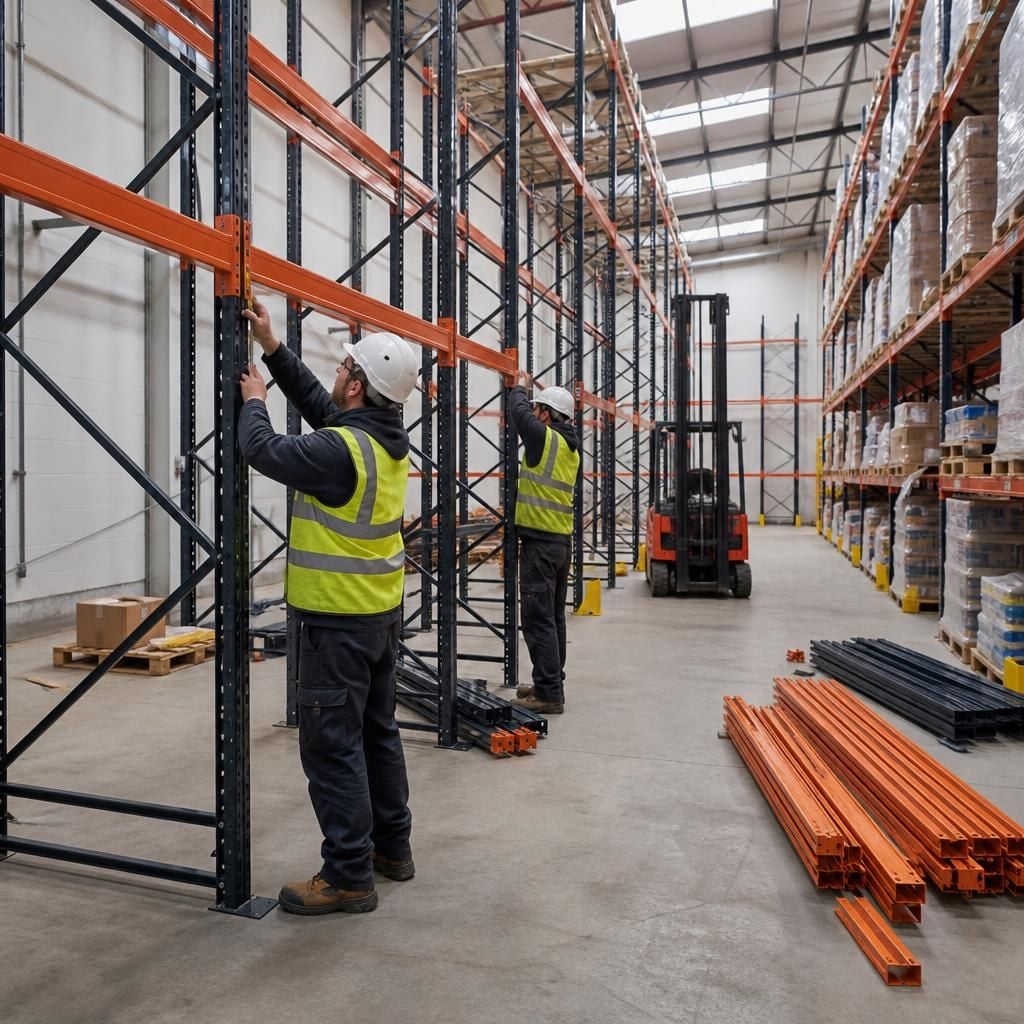
Used pallet racking installation may affect nearby offices or production areas, even when warehouse aisles remain accessible. Identify noise-sensitive work, meetings and processes before agreeing the installation sequence.
Share the planned work areas with affected teams, then review the arrangement if site conditions change. This helps limit unexpected interruption beyond the aisles being installed.



