


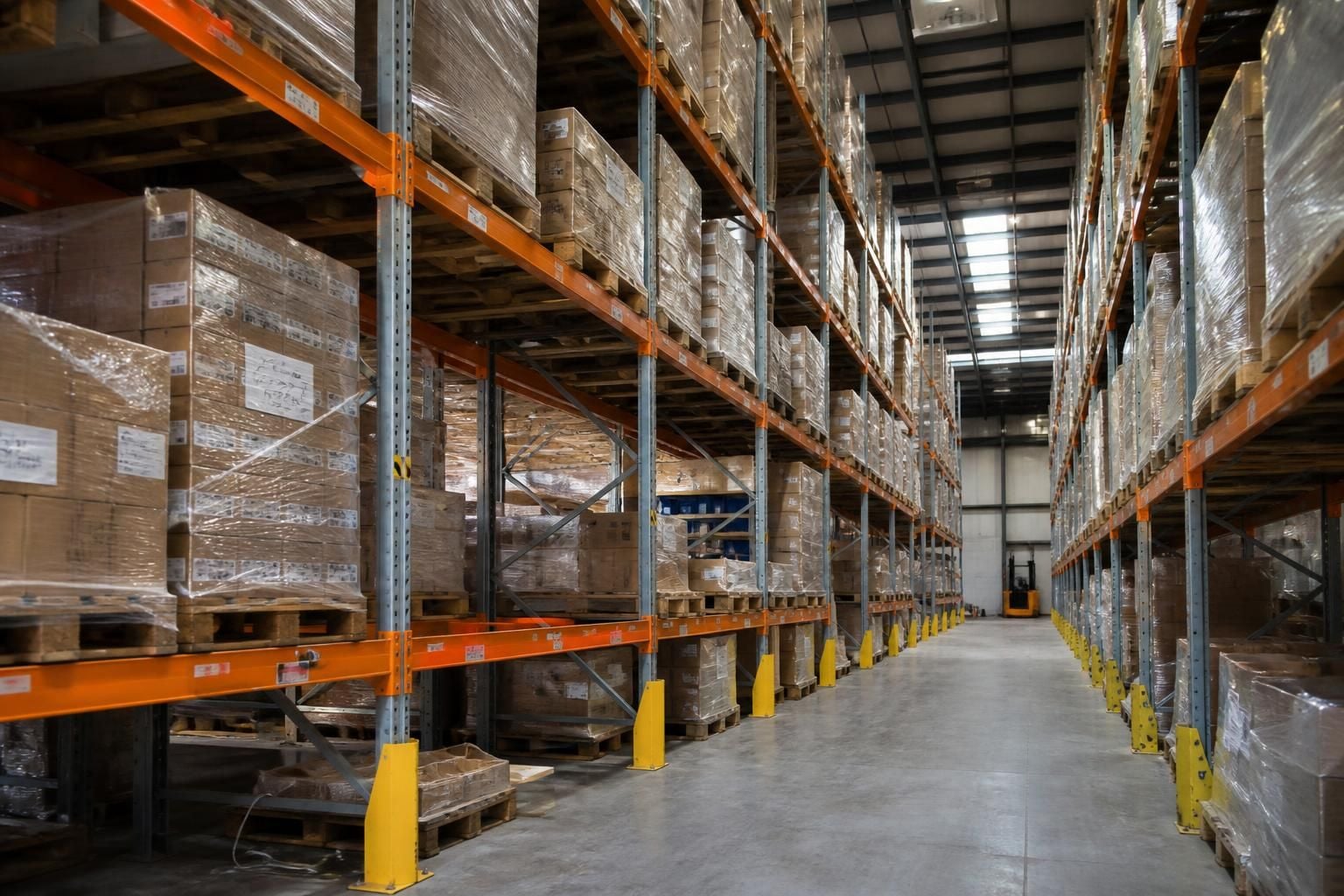
Can used pallet racking accommodate future warehouse changes?
Yes. Used pallet racking can accommodate changing stock, layouts and workflows when we assess the space, loads and future requirements before installation.
The important issue is not whether the steel has been used, but whether the proposed system supports planned change. Compatibility, condition, load requirements and available space determine how well it can adapt.
Future warehouse changes may include different stock profiles, altered picking routes, new handling equipment or additional storage demand. These changes should be considered before selecting used pallet racking. A suitable arrangement can then support present operations without preventing later adjustments.
- Stock changes: Beam levels can be considered around changing pallet heights, weights and access needs.
- Layout changes: Bay positions, aisle arrangements and working areas can be reviewed against planned workflow changes.
- Capacity changes: The available building height and floor area can indicate whether further bays, higher levels or another storage method may be appropriate.
- Component compatibility: Frames, beams, connectors and accessories must work together and remain suitable for the intended loads.
Used pallet racking should not be treated as an automatically interchangeable kit. Existing components may differ in dimensions, condition and capacity. Adding unmatched parts or changing beam levels without assessment can create access and safety concerns.
We begin by reviewing the site, stock, handling arrangements and likely changes. A no-obligation consultation may include a site meeting and survey. We can then prepare written proposals and working drawings showing the planned arrangement.
Those drawings can help you compare immediate storage needs with possible later adjustments. For example, they may show where an aisle could change, where access must remain clear, or where additional bays could affect movement through the warehouse.
Future flexibility can also depend on the building itself. Columns, doors, fire routes, lighting, services and floor conditions may restrict later changes. Recording these constraints early reduces the risk of choosing an arrangement that only works for the current operation.
When the layout changes, the revised configuration should be checked against the relevant load information and working conditions. Alterations may require further assessment, protection measures or a racking inspection before the area returns to normal use.
Where storage growth also requires workspace, a mezzanine floor may form part of a wider space plan. Office fit-outs, partitioning or safety barriers may also affect how storage areas develop. These elements should be considered together when they influence access, separation or workflow.
Spartan Direct has designed and installed storage systems for companies of different sizes across the UK. Our consultation, drawings and installation planning provide a practical basis for deciding whether used pallet racking fits both present requirements and possible future changes.
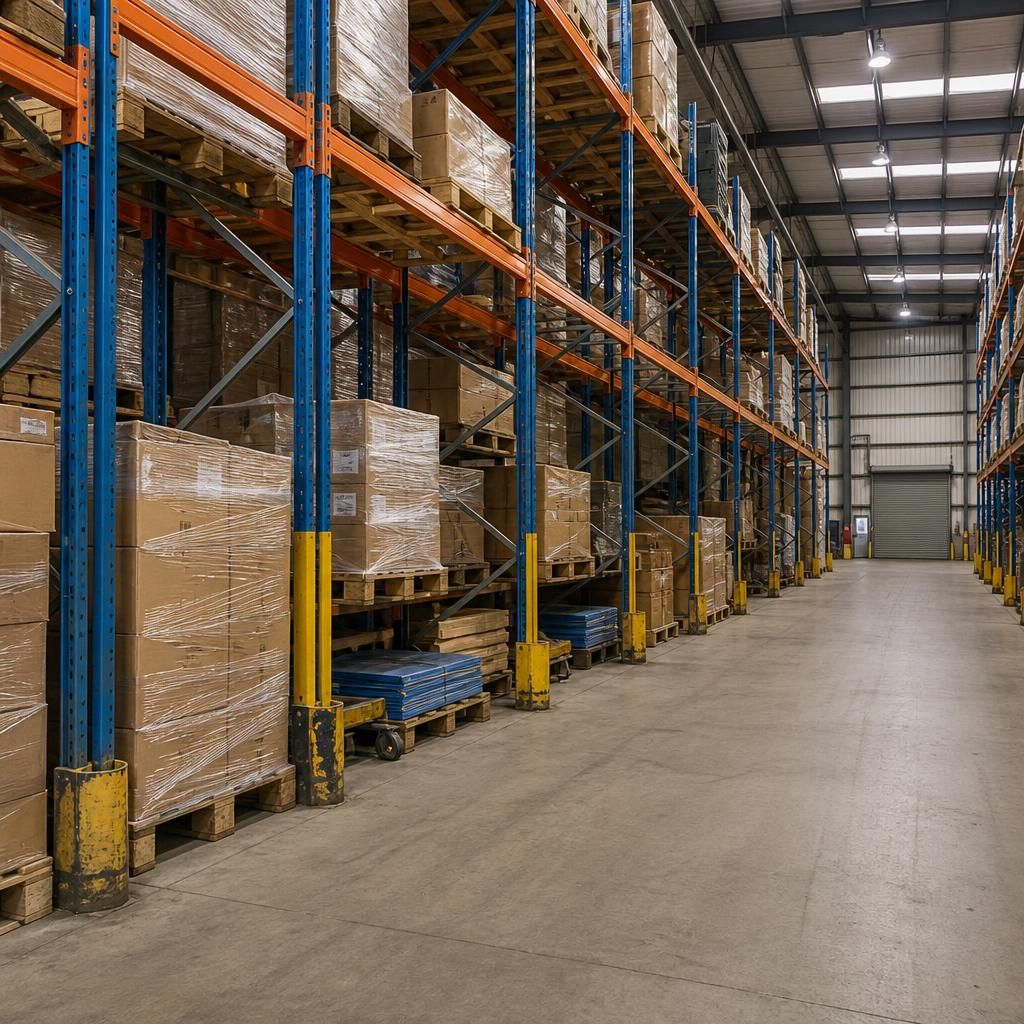
Used pallet racking can support phased changes when you separate fixed building constraints from adjustable storage elements. Doors, columns, services and fire routes form boundaries, while suitable bay positions may offer more scope for future adjustment.
Mark these boundaries on the proposed layout before installation. This shows which changes remain practical without obstructing access or disturbing essential warehouse operations. It also helps you judge when a revised arrangement needs further review rather than assuming every alteration is straightforward.



