


Which pallet racking parts suit your existing system?
Pallet racking parts for an existing system must match its frame, beam dimensions, connections, loads and condition. We can assess these details through a site survey, then provide written recommendations for compatible parts.
The suitable pallet racking parts are those that match the existing system’s frame profile, beam connection, load requirements and intended use. A part that appears similar may still be unsuitable if its dimensions, steel profile or connection detail differs.
Start by identifying what needs changing. A damaged component may need replacement, while an operational change may require additional levels, pallet supports or protection. The right choice depends on the system already in place and how you use it.
- Upright frames: These provide the vertical structure. Replacement frames must match the profile, height, depth, bracing arrangement and connection points.
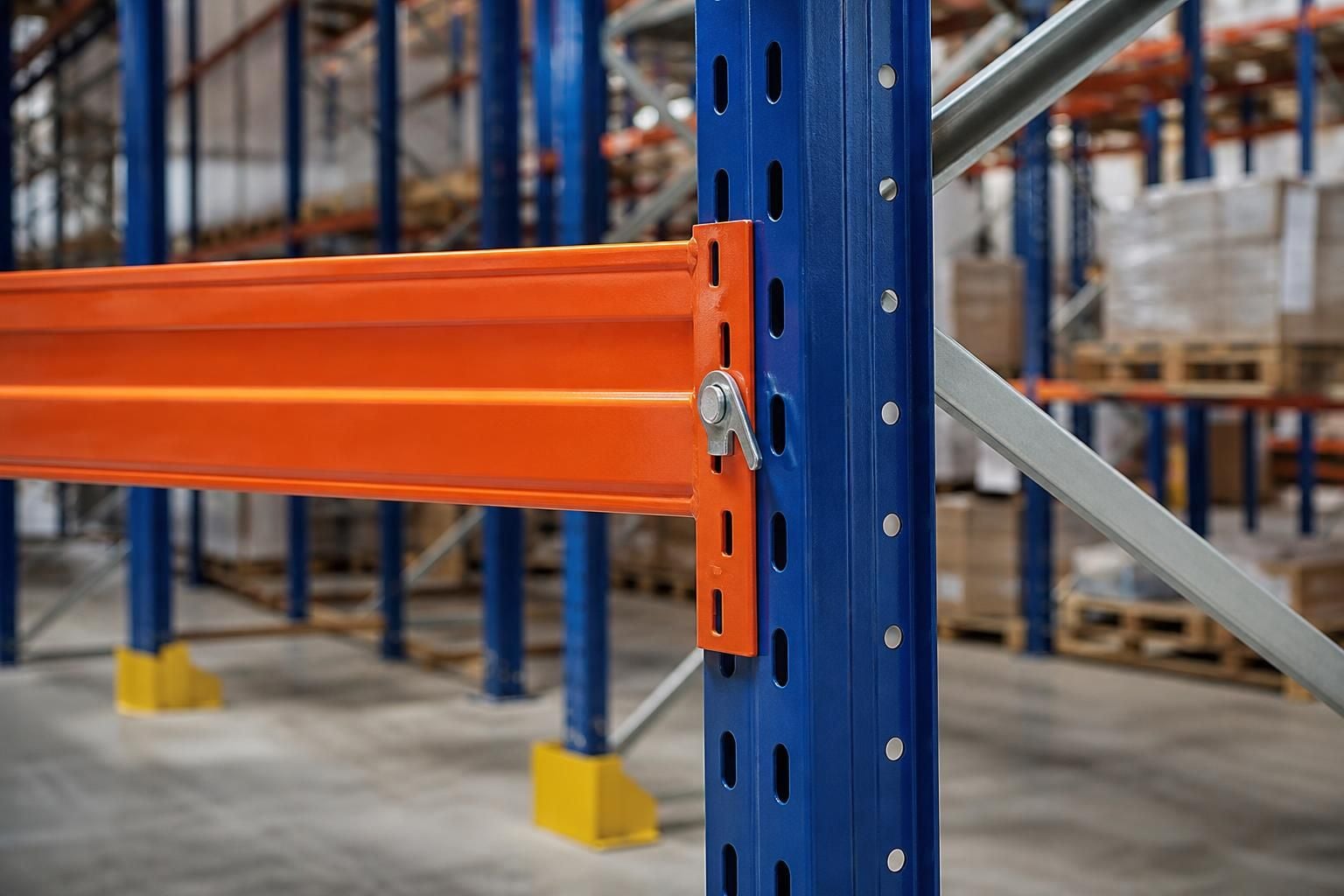
- Beams: Beam length, section and connector design affect the available bay width and loading arrangement. Beam locking devices must also suit the connection.
- Baseplates and fixings: These transfer loads at floor level. Their suitability depends on the upright design, floor condition and fixing requirements.
- Bracing components: Horizontal and diagonal bracing helps maintain frame geometry. Missing, bent or altered bracing should not be replaced with improvised alternatives.
- Pallet supports: These support pallets between beams where the storage arrangement requires them. The support type must suit the pallet base and beam spacing.
- Decking: Timber, mesh or other deck types provide a storage surface. Selection depends on the load, pallet dimensions and the way stock is handled.
- Row spacers: These can maintain spacing between back-to-back rows where the existing layout and frame arrangement allow their use.
- Protection components: Upright guards, end-of-aisle protection and safety barriers help separate racking from vehicle movements. Their position should reflect traffic routes and access points.
Compatibility involves more than fitting one component into another. The replacement must work with the complete bay, including the frame, beams, bracing, floor fixings and stored loads.
Check the following before ordering pallet racking parts:
- The upright profile and frame dimensions.
- The beam length, section and connection detail.
- The required bay width, frame depth and storage height.
- The weight and distribution of pallets or other stored goods.
- The condition of existing components, fixings and floor areas.
- The available aisle space and vehicle movement around the racking.
- Any changes to picking, loading or stock access.
System labels, drawings and previous quotations can assist identification, but they may not show later alterations or damage. Measurements should be checked against the installed racking rather than assumed from an old record.
Mixing parts from different systems without checking their design can affect connection fit, load capacity and frame behaviour. A beam may fit the bay width but still have an unsuitable connector or section. An upright may match the height but differ in profile or bracing position.
Replacement parts should also reflect the reason for the change. A bent upright, damaged beam or missing locking pin requires a different response from a request for extra storage levels. Damage can indicate an impact or loading issue that needs attention before further parts are added.
We can review the installed arrangement through a site meeting and survey. This allows us to record component details, measure the layout and consider stock, access and protection requirements together.
We then set out suitable pallet racking parts in a written proposal. Working drawings can show bay arrangements, component positions and related protection. Where a project includes several changes, project management can continue through installation and final commissioning when required.
For larger or altered storage arrangements, the proposal should make clear which components are being replaced, added or retained. It should also identify any information still needed before work proceeds, such as confirmed loads or site measurements.
After installation, racking inspections and aftercare can help identify damage or changes requiring attention. Parts should remain suitable for the actual configuration, not simply the arrangement shown in an earlier drawing.
Spartan Direct Limited has worked on storage systems since 1982, supporting companies of different sizes across the UK. That experience informs a practical review of existing racking before parts are specified.
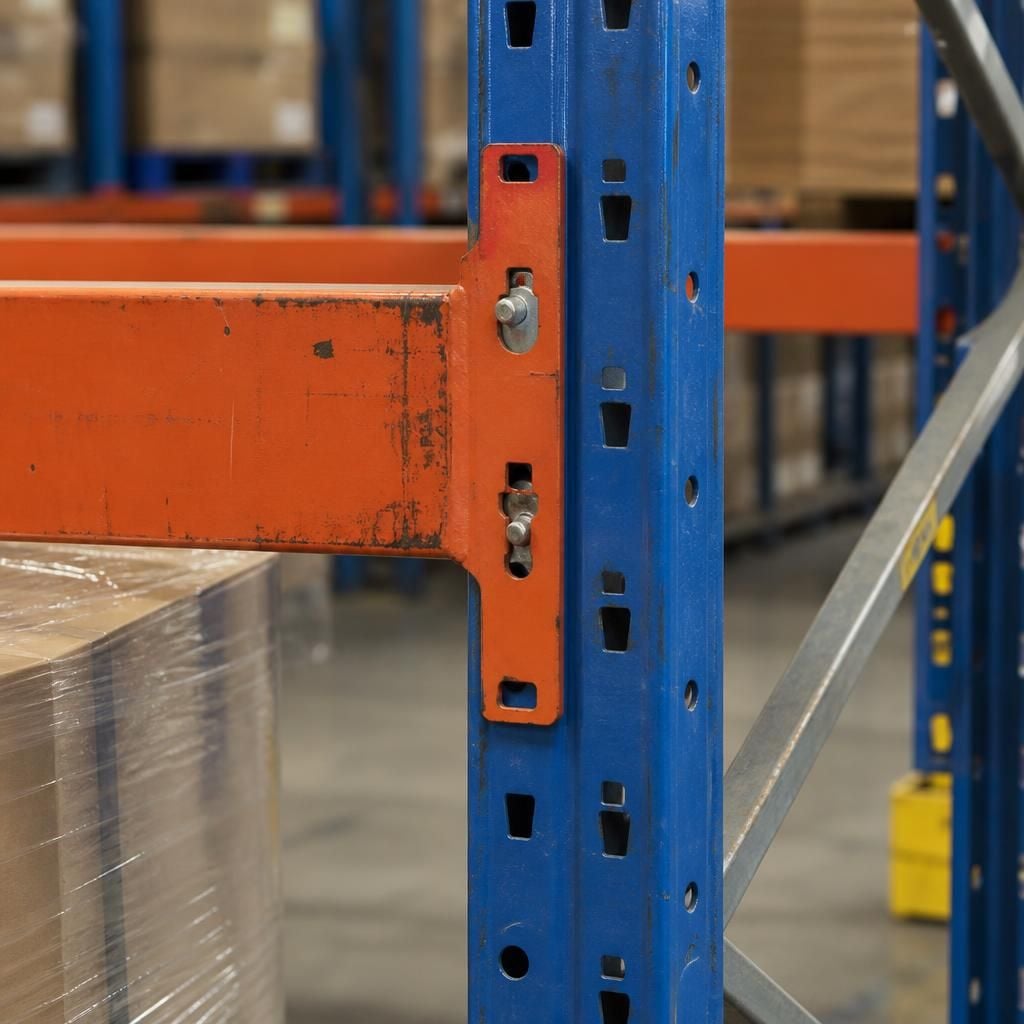
When one component is damaged, inspect the surrounding bay before choosing its replacement. Impact can affect nearby connections, bracing, baseplates or floor fixings.
Record the affected position, the stored load and the planned use. This helps distinguish restoring the existing bay from changing its storage arrangement, so the selected part suits the complete installation.



