


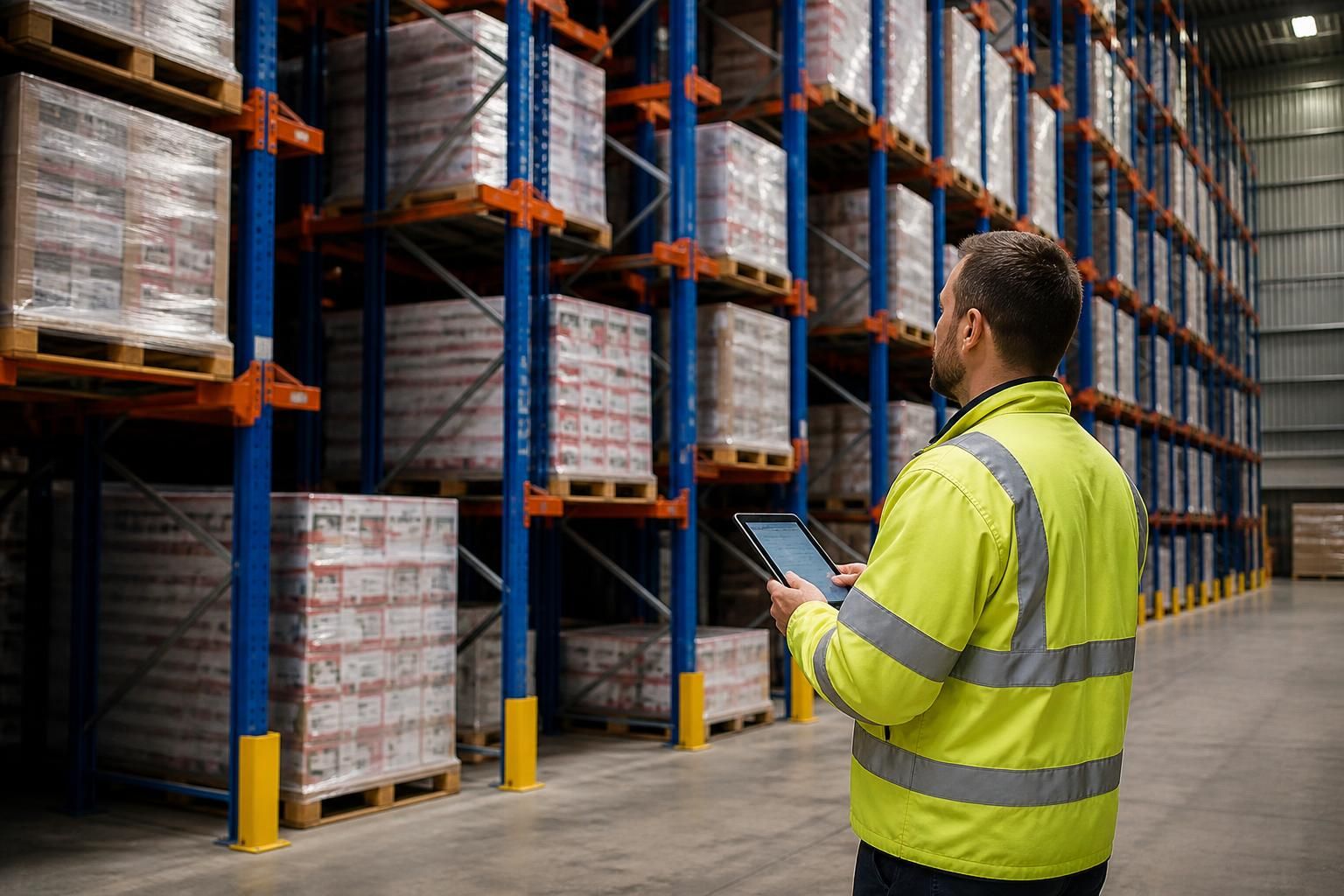
How can drive-in racking accommodate future changes in stock requirements?
Drive-in pallet racking can accommodate changing stock requirements when its design considers pallet sizes, load demands, storage depth and access needs. We review these factors through consultation and site surveys, then set out the proposed arrangement in written proposals and working drawings.
Drive-in pallet racking accommodates changing stock requirements best when you plan for controlled product changes rather than constant assortment changes. It can support evolving storage needs through lane allocation, stock reviews and considered future capacity.
Drive-in racking suits warehouses holding repeated pallet loads. You can assign lanes to product groups, then review those allocations when stock lines, quantities or movement patterns change. This helps preserve storage density while keeping stock grouped logically.
- Changing product quantities: Review lane use when demand increases or decreases. Underused lanes may indicate a different allocation is needed.
- Changing stock lines: New products may require different pallet dimensions, weights or handling arrangements. These changes should be checked against the racking specification before use.
- Changing turnover: Drive-in racking generally suits last-in, first-out stock rotation. Products requiring strict first-in, first-out control may need another storage arrangement.
- Changing access needs: If picking frequency increases, you may need to reconsider how much stock sits in deep lanes. Higher access demands can affect the balance between capacity and retrieval time.
- Future expansion: A review can assess whether the existing arrangement has suitable room for additional lanes, revised stock groupings or related storage systems.
Drive-in racking is not equally flexible for every stock profile. It provides strong capacity for repeat loads, but frequent product changes can make lane control more important. Clear identification and disciplined stock rotation help prevent unsuitable pallets entering a lane.
When requirements change, do not alter load use or storage arrangements without checking the design. We can review the revised information and explain whether the existing arrangement remains suitable.
Our written proposals and working drawings provide a clear reference for the agreed arrangement. They support future discussions when stock requirements, handling methods or the warehouse layout change.
For warehouses in the West Midlands, this approach helps you consider future use without assuming that every change requires relocation. The right answer depends on how stock is grouped, accessed and handled within the available space.
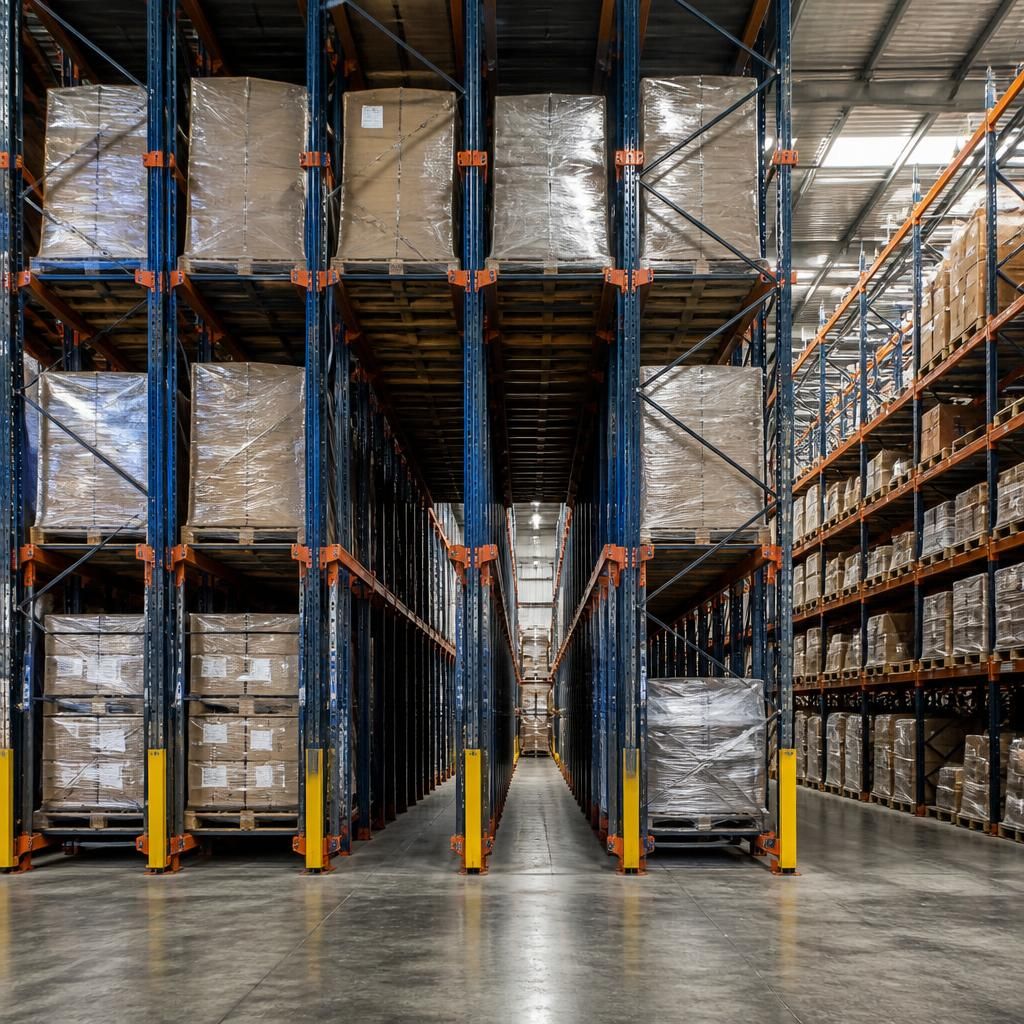
Drive-in pallet racking can remain focused on repeat pallet loads while other stock uses a different storage arrangement. Shelving or another pallet racking system may suit lines needing more direct access or separate handling.
This mixed approach gives you a practical way to accommodate changing stock requirements. It keeps drive-in lanes aligned with suitable products, without treating every new stock line as a reason to change the whole arrangement.



