What makes steel storage lockers suitable for industrial workplaces?
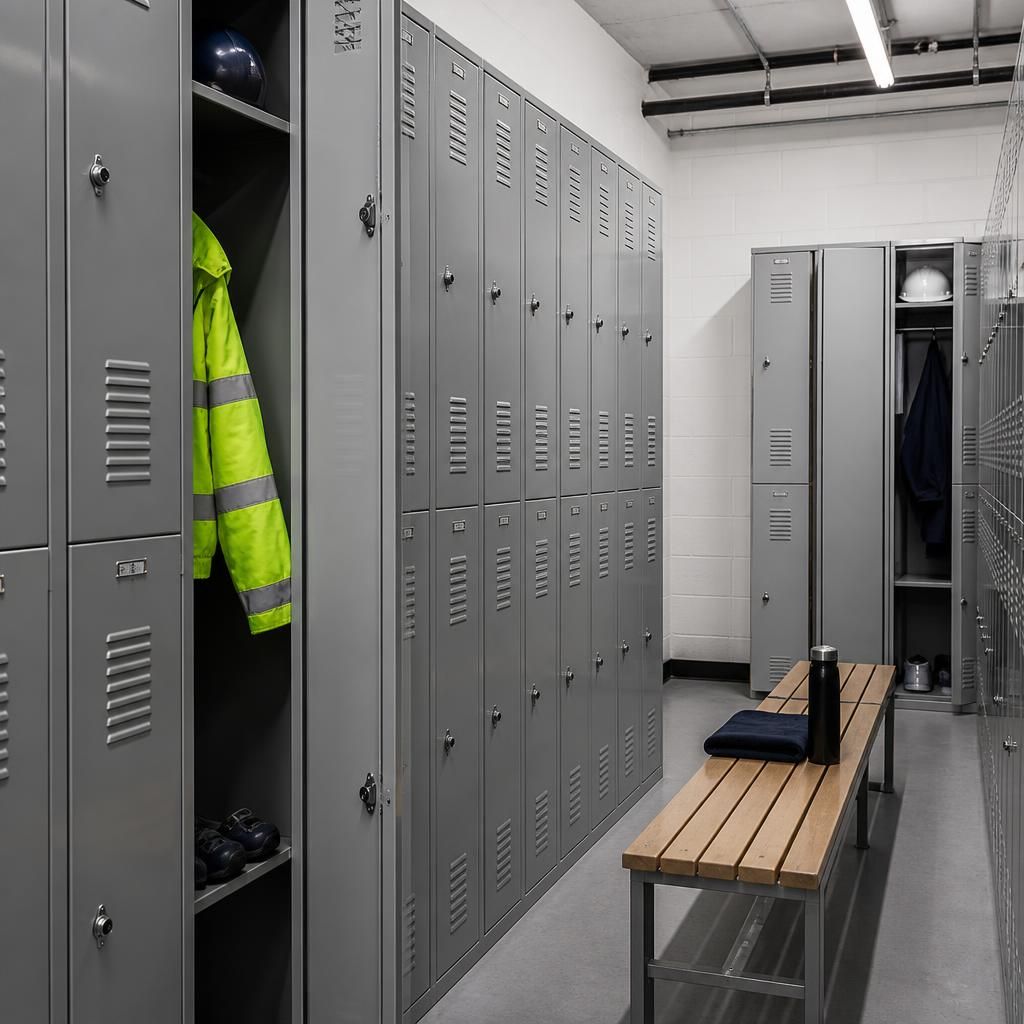
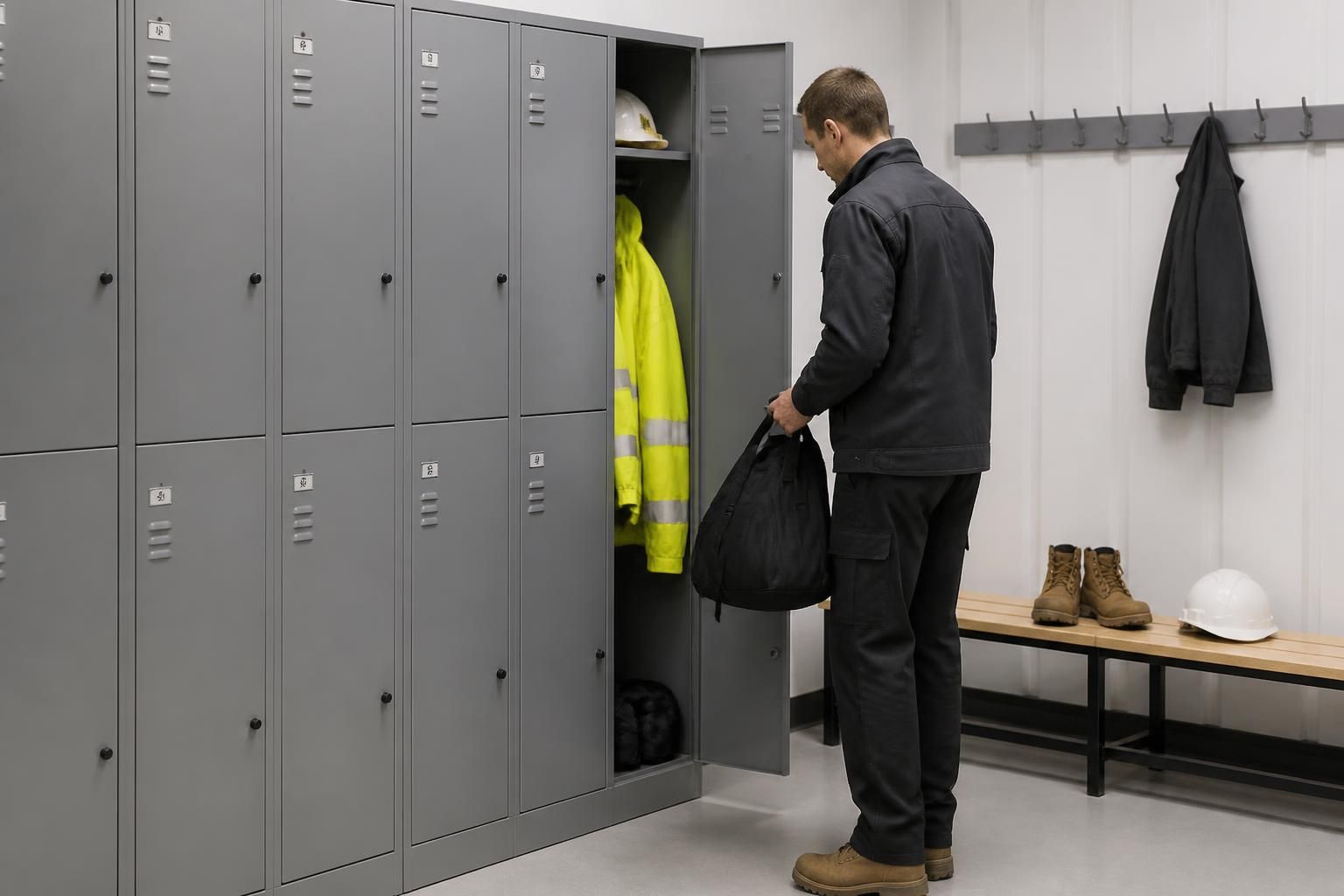
Steel storage lockers suit industrial workplaces because they provide secure, durable storage for workwear, personal items and equipment, helping keep busy areas organised.
Steel storage lockers suit industrial workplaces because they give each user a defined place for clothing, personal belongings, tools or work equipment.
That clear allocation supports orderly working areas. Staff can store items away from walkways, workstations and production zones, reducing loose belongings around active operations.
Why steel suits industrial settings
- Structured storage: Separate compartments help assign storage to individuals, teams or work areas.
- Practical organisation: Lockers keep personal items and workwear together, rather than leaving them on benches or in shared spaces.
- Efficient use of walls: A locker bank uses vertical space, helping preserve floor area for movement, stock or equipment.
- Adaptable layouts: Different locker tiers and compartment arrangements can support changing storage requirements.
- Clear ownership: Numbered or allocated compartments make it easier to identify each storage position.
Steel lockers also suit workplaces where storage must fit around an established layout. They can sit within changing areas, staff facilities, workshops, warehouses or office support spaces.
The right arrangement depends on what you need to store and how people move through the site. Workwear may need a different compartment arrangement from small tools or personal bags.
Consider these points before choosing a locker layout:
- What each person needs to store.
- Whether items are personal, shared or assigned to a department.
- How much wall space the locker bank can occupy.
- Where doors will open without obstructing walkways or work areas.
- Whether the layout needs to support changing staff numbers or work patterns.
Locker placement should support the workflow rather than create another obstruction. Positioning, access routes and surrounding equipment all affect how practical the storage becomes.
For larger industrial premises, lockers may form part of a wider workplace layout. Partitioning can separate staff storage from operational areas, while safety barriers can help protect defined zones. Pallet racking and mezzanine floors address different storage needs, so they should not replace lockers where people need personal storage.
We can discuss the site, storage requirements and intended layout before preparing written proposals and working drawings where required. This helps you consider the available space, access arrangements and relationship with other workplace storage.
Steel storage lockers are therefore suitable where you need assigned storage that fits a busy industrial environment without taking over valuable working space. The most suitable configuration depends on the items, users and workflow involved.
Steel storage lockers help separate personal belongings from operational stock and equipment. This makes each storage area easier to plan, with lockers serving people while pallet racking and shelving support business storage.
That distinction matters in industrial workplaces where several storage systems share one site. Considering them together can help you choose equipment that suits the available layout and working requirements.