What locking method suits shared workplace lockers?
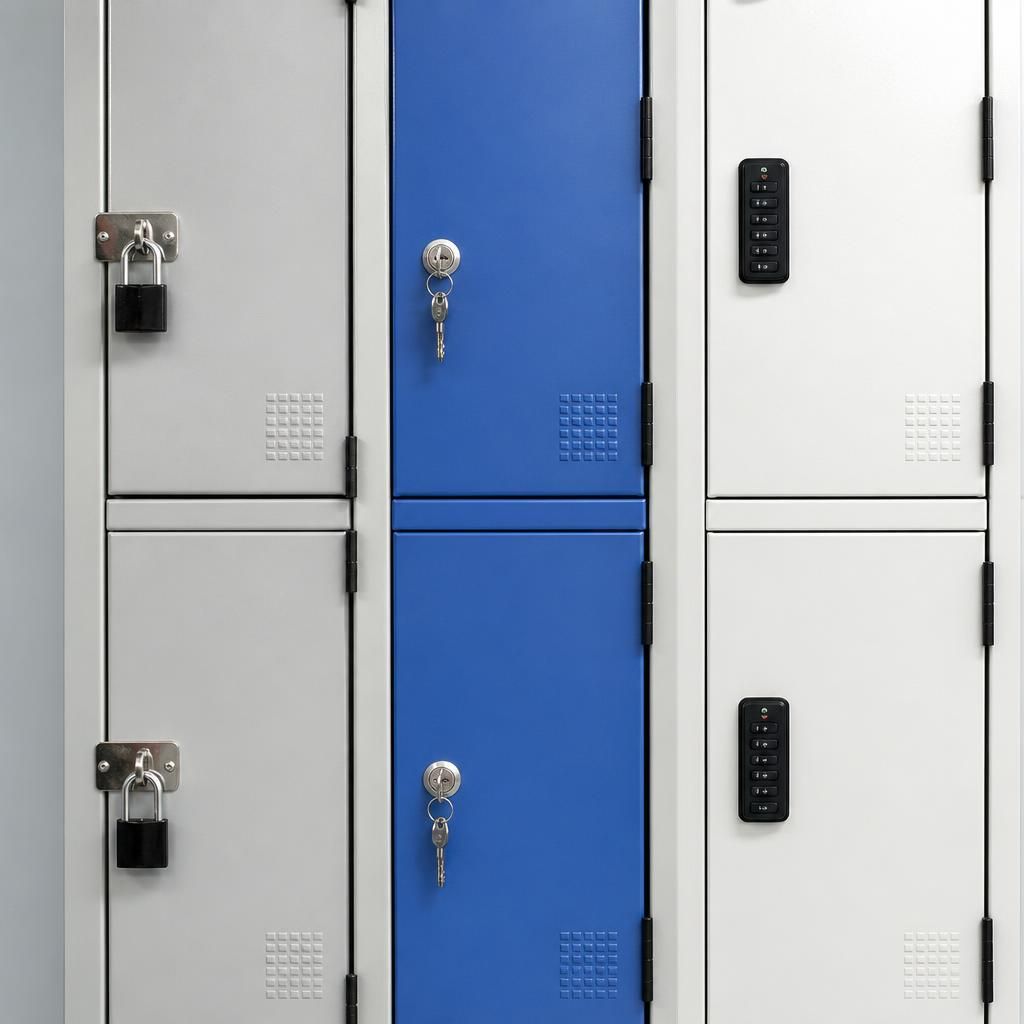
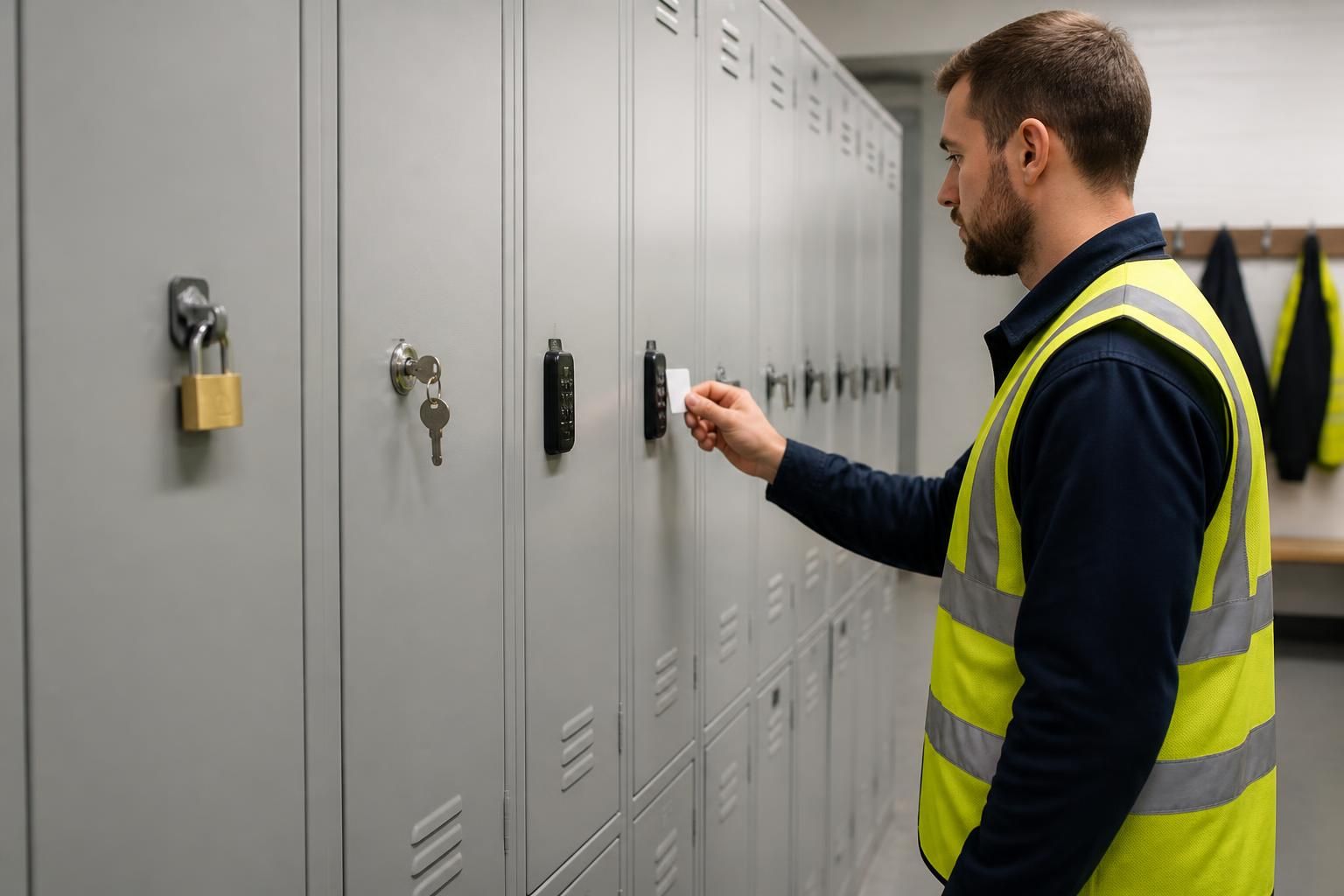
The best locking method depends on how often lockers are shared and how access is managed. Padlocks offer simple user control, key locks suit assigned lockers, while digital locks can simplify changing access between users.
For lockers used by changing workers, digital access usually suits the busiest handovers. A hasp for a padlock suits simple individual control, while a key lock suits a fixed allocation.
Start by defining what “shared” means at your site. One locker might serve several people across shifts, or several lockers might be allocated permanently to named workers. Those arrangements create different access and administration needs.
- Shift-based sharing: Choose a method that lets access pass between users without collecting keys or moving padlocks between people.
- Permanent allocation: A key lock can provide straightforward control when each worker keeps the same locker.
- Occasional use: A padlock hasp can suit users who already bring their own lock and manage its key or combination.
Padlock hasps leave the lock with the user. This avoids issuing keys and lets each person select a padlock that meets workplace rules. However, the locker does not include the padlock itself.
Consider what happens when a user loses a padlock key, forgets a combination or leaves the business. The site may need a removal process, replacement lock or supervisor intervention. That process should be agreed before installation.
Key locks provide a familiar arrangement for assigned lockers. A manager can retain spare keys, which may assist with authorised access. Key control becomes more demanding when lockers change hands regularly.
For shared use, decide who holds spare keys and how returned keys are recorded. A numbered key system can support identification, but it does not remove the need for careful administration.
Digital locks use a code, card, fob or another electronic credential, depending on the selected specification. They can suit changing users because access details can be updated without replacing a physical lock.
Digital systems need more planning than a mechanical lock. Check how users receive credentials, how forgotten codes are managed and how authorised staff gain access. Also confirm the power arrangement, battery changes and any required override method.
Do not select a digital lock simply because the lockers are shared. It should match the site’s supervision, user numbers and access rules. A complex system can create unnecessary administration in a small workplace.
Security also depends on the locker’s location and daily use. Place lockers where supervisors can manage access without obstructing walkways, production routes or emergency movement. Keep doors, aisles and shared circulation areas clear.
Match the locking method to the contents. Workwear, personal items and small equipment may need different levels of control. If users store valuable tools, consider whether a standard locker lock provides enough protection for the risk.
Ventilation and cleaning can matter in workplaces where users store damp clothing or protective equipment. The lock should remain practical when users wear gloves or carry equipment. Test the mechanism with the clothing and access routine used on site.
Shared lockers also need clear ownership rules. Decide who allocates each locker, who removes abandoned contents and how access changes when shifts or roles change. Display simple instructions near the locker bank where users can see them.
Before choosing, compare each method against these questions:
- How often will the locker user change?
- Who controls access when a key, padlock or credential is lost?
- Do supervisors need authorised entry?
- Can users operate the lock while carrying work equipment?
- Will the system continue working in the locker’s workplace conditions?
- Can the method fit the locker layout and surrounding circulation space?
We can review the locker location, access routine and workplace layout during a no-obligation consultation. A site meeting or survey can inform written proposals and working drawings.
That process helps you compare a simple mechanical arrangement with a managed digital system before committing to the locker specification. It also identifies access, clearance and installation considerations across the wider workplace.
For a shared locker bank, choose the least complicated method that supports the actual handover process. Digital access often suits frequent changes, while padlock and key systems can suit simpler arrangements with clearer user responsibility.
The lock must suit the locker door, not only the access policy. Check available clearance before selecting a locking method.
A bulky padlock, key or digital unit may affect door handles, neighbouring lockers and access for gloved users. We can review the locker bank during a site meeting or survey, then show the proposed arrangement in working drawings.