


What access controls should steel mesh lockers include?
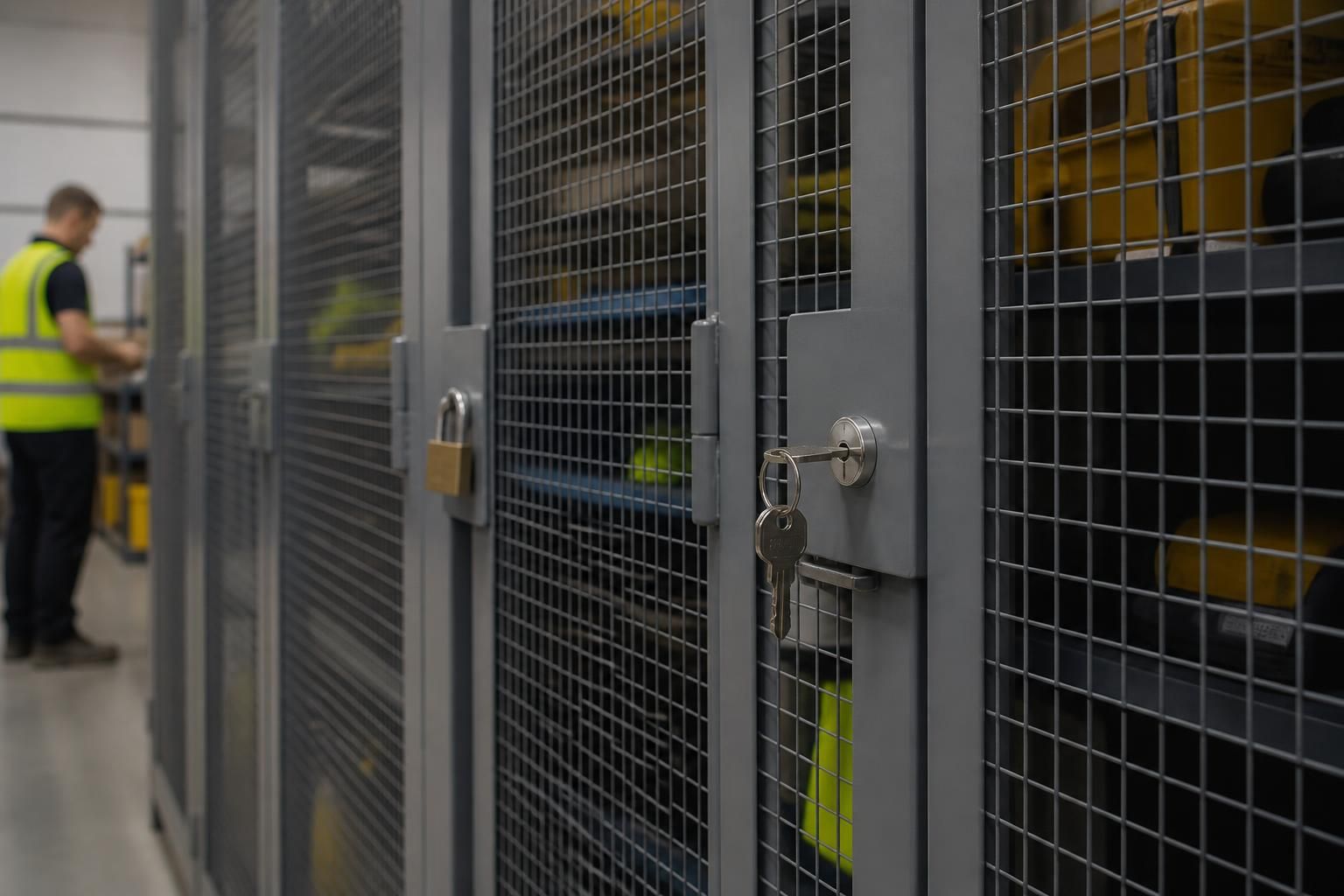
Steel mesh lockers should include access controls that match the site, users and contents. Options include keyed locks, combination locks, padlock fittings and electronic systems.
The right access control depends on who uses each locker, how often access changes, and the value of the stored equipment. It should protect stock without slowing authorised work.
Keyed locks suit lockers assigned to named individuals or small teams. Each user keeps a key, while a controlled spare can support supervised access. You should plan for lost keys, replacements and staff changes before selecting this option.
Combination locks remove the need for individual keys. They can suit shared storage where several authorised users need access. Codes must be issued carefully and changed when access rights change. Avoid writing codes where unauthorised people can see them.
Padlock fittings allow you or the locker user to provide a padlock. This can fit existing site procedures, particularly where managers already control padlocks for equipment or work areas. Check the fitting suits the padlock size and the required level of protection.
Electronic access controls can suit larger facilities, changing user groups or sites requiring managed permissions. Depending on the system selected, access may use a PIN, card, fob or another electronic credential. Confirm how permissions are issued, removed and reviewed.
- Choose a system that matches the number of users and lockers.
- Decide whether each locker needs individual access or shared access.
- Confirm how lost keys, forgotten codes and misplaced credentials will be handled.
- Check whether managers need access records from an electronic system.
- Consider the effect of power loss on electronic locks and authorised entry.
- Keep the lock type consistent where simple administration matters across a storage area.
Shared commercial storage areas need clear allocation rules. A locker may have one named user, a defined team or controlled management access. The access method should support that arrangement rather than create uncertainty.
Consider the contents as well as the users. Low-risk personal items may need a different control from tools, components or workplace equipment. Steel mesh provides visibility, but the lock still controls physical access to the locker.
Access controls must also suit the working environment. Check for dust, moisture, impact risks, temperature changes and frequent handling. Electronic equipment may need additional protection where the surrounding conditions could affect operation.
Do not choose a lock in isolation from the locker layout. Handles, doors, aisles and adjacent storage must remain usable. Access should not force people to reach across stock, block routes or interfere with normal picking and handling.
For projects involving pallet racking, mezzanine floors, office fit-outs, partitioning or safety barriers, access controls should support the wider layout. Separation between staff, visitors, stock and equipment may affect locker positioning.
We can review the site, user arrangements and storage requirements through a no-obligation consultation. A site meeting or survey can inform written proposals and working drawings before installation.
Ask for the access method, replacement process and operating arrangements to be recorded in the proposal. That gives you a clearer basis for comparing lockers and planning daily use.
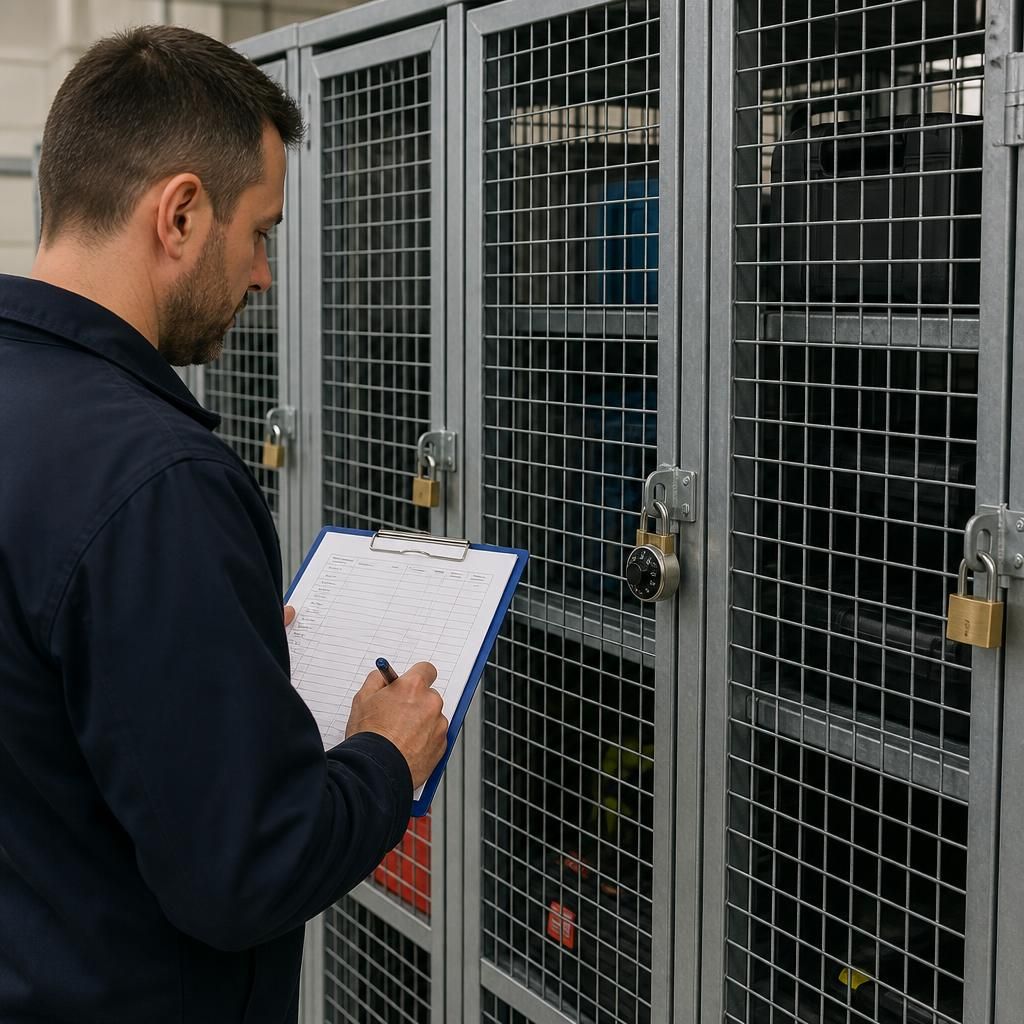
Include an access-control register alongside the lockers. Record each locker number, lock type and authorised user or team.
Set out who can approve access, recover a locker and change its allocation. This gives managers a clear process when equipment moves between departments or projects.



