Do steel mesh lockers provide enough security for valuable workplace equipment?
Steel mesh lockers can provide practical protection for workplace equipment by restricting access while allowing you to see stored items. Their suitability depends on the equipment’s value, the locker’s access controls and the security risks at your site.
Steel mesh lockers can suit valuable workplace equipment when the main risks are unauthorised access, casual interference and poor control over shared storage. They are not a substitute for a full security assessment where equipment has exceptional value or serious operational consequences if lost.
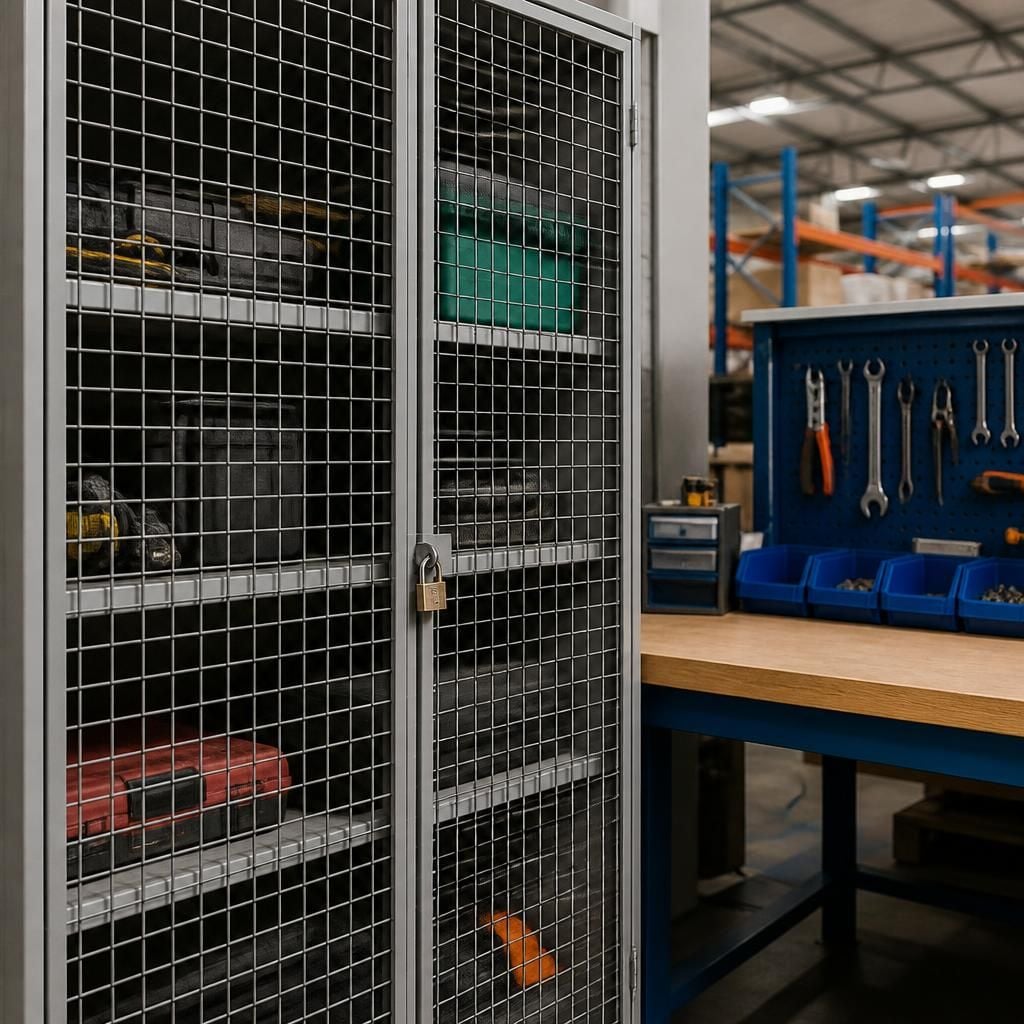
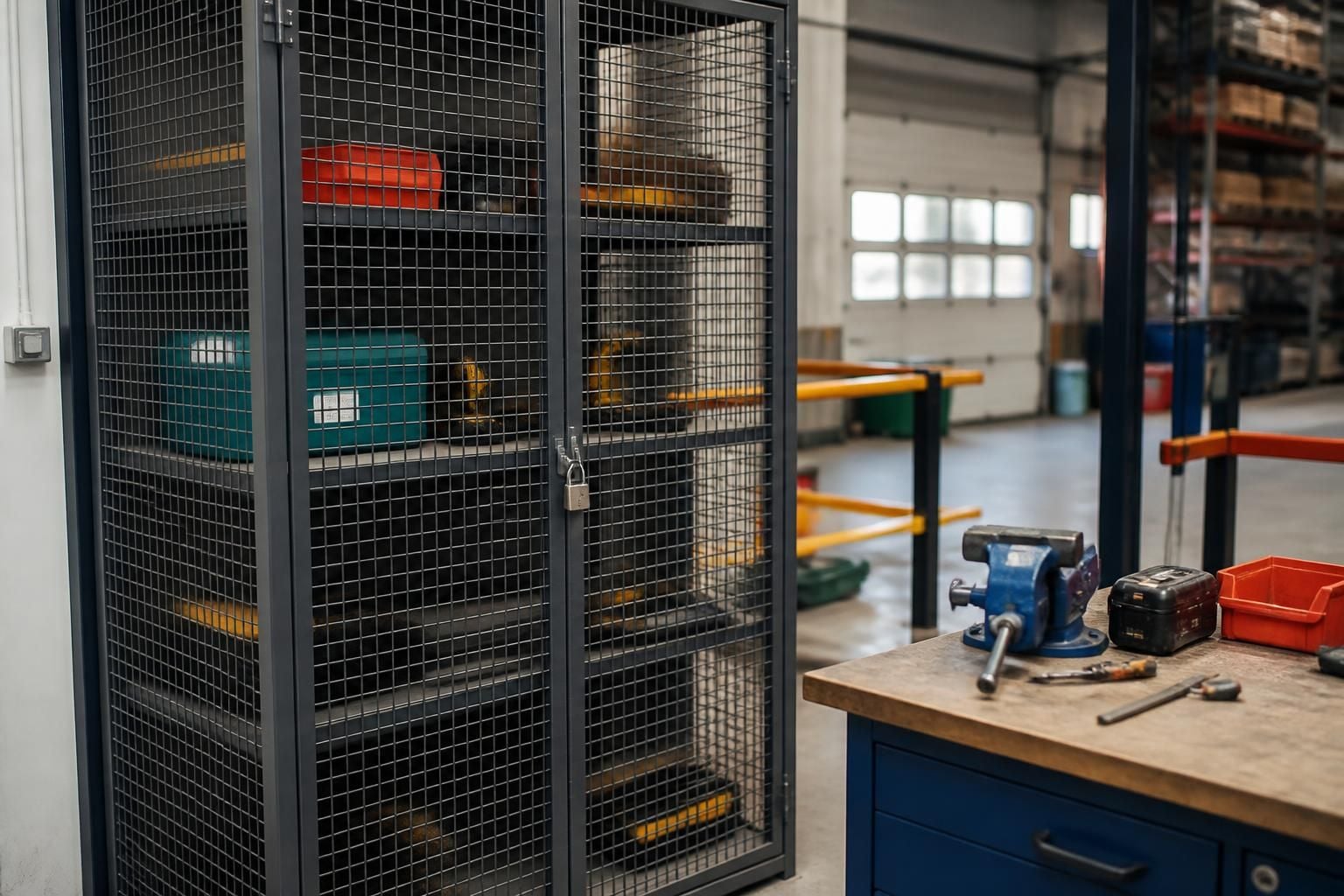
The mesh construction creates a physical boundary around stored items. It can discourage opportunistic access while allowing supervisors to identify contents without opening each locker. That visibility can support stock checks and reduce time spent searching for tools, devices or components.
Security depends heavily on the door and locking arrangement. Consider who needs access, how access should be removed when roles change, and whether managers need a record of issue and return. Key locks may suit small teams, while controlled-access arrangements may better suit shared workplaces.
- Match each locker to the equipment’s size, weight and handling method.
- Keep high-value items away from public routes and unsupervised visitor areas.
- Separate equipment by team, shift or function where access must remain controlled.
- Position lockers where staff can use them without obstructing walkways or emergency routes.
- Include the lockers within workplace security and risk assessments.
Visibility is useful, but it also shows what the locker contains. Avoid storing particularly attractive items in exposed positions where visitors or unauthorised staff can study them. Location, supervision and access procedures therefore matter alongside the locker itself.
For equipment that must remain concealed, protected from deliberate attack or secured against a higher threat, steel mesh may not provide enough protection alone. You may need a different enclosure, additional site controls or a review of who can enter the storage area.
Installation details also affect practical security. The locker should sit on a suitable surface, remain stable during use and avoid creating gaps or access points around adjoining units. The surrounding layout should support clear supervision and safe retrieval.
We can discuss the equipment, users and site risks during a no-obligation consultation. A site meeting or survey can inform written proposals and working drawings, helping you assess locker placement, access arrangements and the wider workplace layout before installation.
For projects involving partitioning, office fit-outs or safety barriers, we can consider how storage security fits alongside separation and movement controls. The aim is to protect equipment without creating unsafe access or disrupting the way your site operates.
Assess the consequence of loss before choosing steel mesh lockers. Consider replacement difficulty, sensitive information held on equipment and the effect of unavailable tools on daily work.
Define the protection required, then compare the locker with site procedures and other controls. A mesh locker may suit controlled workplace storage, but higher-risk equipment could require a different enclosure and a separate security review.