Which locking options suit secure metal storage lockers?
Key locks suit straightforward individual access, while combination locks avoid managing keys. Electronic locks can support controlled access and easier changes, so the right option depends on who needs access, how often, and your security requirements.
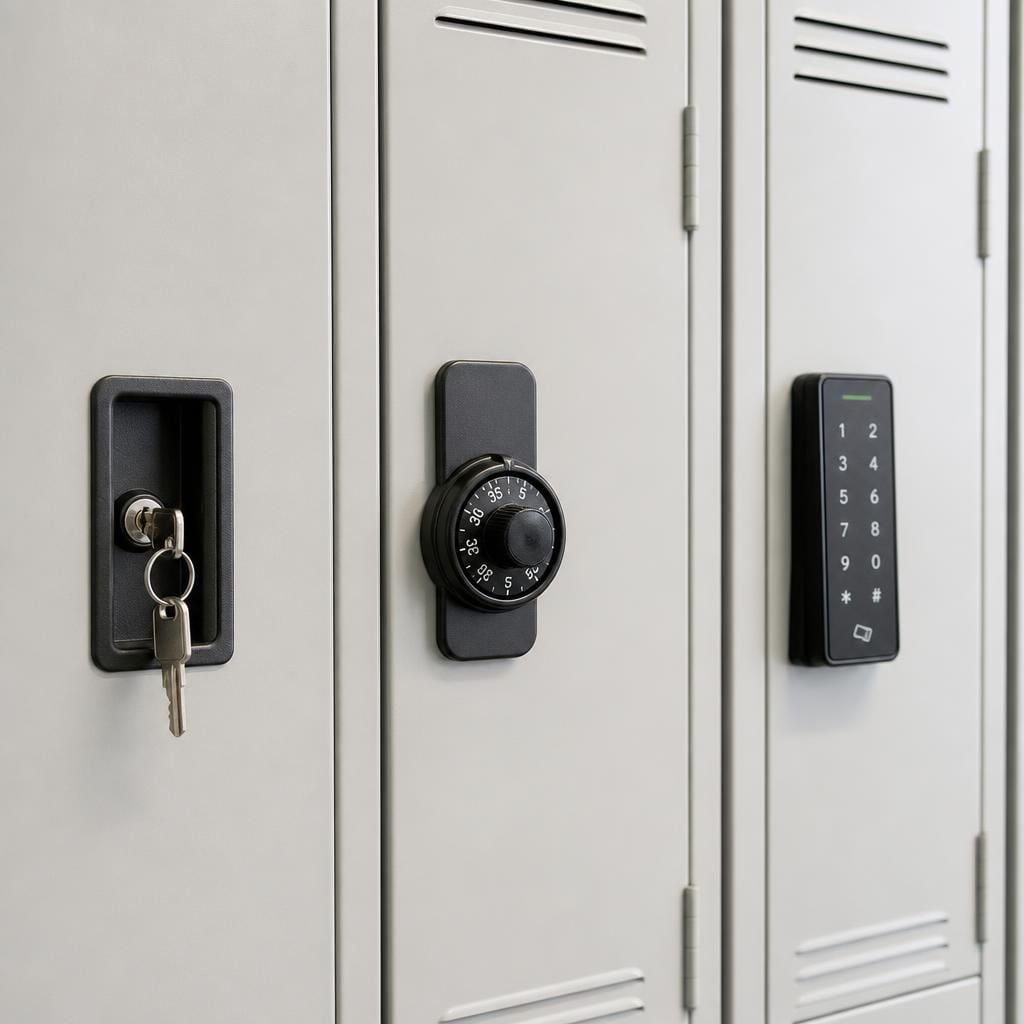
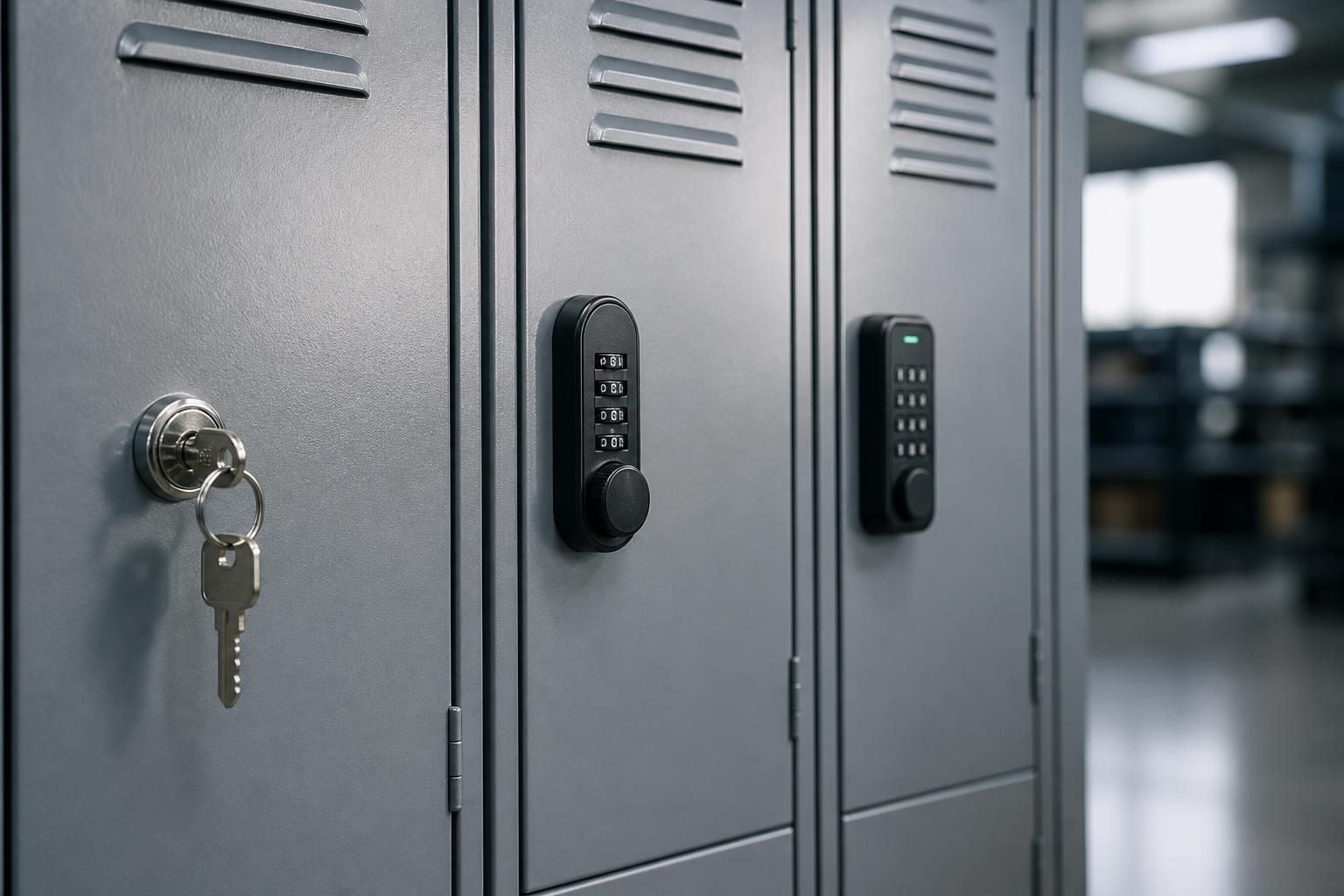
The best locking option depends on how lockers are allocated, how access is controlled, and how often permissions change. Key-operated cam locks suit fixed personal storage. Combination locks suit users who should not carry keys. Electronic locks suit sites needing adjustable permissions or access records.
Key-operated locks
A key lock uses a physical key to turn a cam behind the locker door. It provides a familiar, simple arrangement for assigned lockers in offices, warehouses and staff areas.
- Choose this option when each person has a designated locker.
- It works well where users can keep keys secure.
- It avoids batteries, codes and electronic administration.
- It requires a process for lost keys, spare keys and reassignment.
Key systems can suit a smaller group with stable locker assignments. They need more administration when staff changes frequently or many lockers share one location.
Combination locks
Combination locks use a number sequence instead of a physical key. Users enter the code directly, making them practical for shared facilities and temporary assignments.
- Choose this option when several people may use the same locker.
- It removes the need to issue, collect or replace keys.
- Codes can be changed when a locker changes user.
- Users must protect codes from being seen or shared.
Mechanical combination locks usually operate without batteries. Electronic combination locks can add administration features, but they introduce power and maintenance considerations.
Electronic access locks
Electronic locks open through a code, card, fob or another configured credential. They can suit workplaces where access needs regular adjustment or closer control.
- Choose this option when permissions change often.
- It can support central administration across multiple lockers.
- Some systems can record access events for review.
- Plan for batteries, power requirements and access during faults.
Electronic access does not automatically provide stronger protection. The result depends on the lock, credential controls, locker construction and how users manage access.
Consider the locker’s use
Start with the people using the lockers and the items stored inside them. Personal lockers, shared equipment lockers and controlled workwear storage can require different arrangements.
- For permanent allocation, compare key management with code management.
- For shared use, consider how quickly access must move between users.
- For sensitive stock, consider permission control and access records.
- For dusty or demanding areas, consider cleaning and maintenance requirements.
- For public-facing areas, consider how easily users can understand the lock.
The lock should also suit the door, locker construction and expected use. A secure lock cannot compensate for poor installation, forced access points or uncontrolled spare credentials.
Match the lock to workplace administration
Decide who will issue keys, reset codes, replace batteries or remove access. This responsibility often matters as much as the initial lock choice.
A key system needs key control. A combination system needs code privacy and reset procedures. An electronic system needs credential control, user records and a response plan for faults.
Consider what happens when someone leaves, changes department or loses access details. A system that is simple to reassign may reduce disruption when locker users change.
Check access and layout together
Lockers should allow users to open doors without obstructing walkways, workstations or escape routes. Door swing, aisle width and nearby equipment all affect practical access.
For a larger workplace arrangement, we can discuss the intended use, inspect the site and prepare written proposals with working drawings. These drawings can help coordinate locker positions with office fit-outs, partitioning and wider storage layouts.
Our consultation can also consider stock, workflow and access requirements before you select a locking arrangement. Where required, project management can continue from proposal and tender stage through installation and final commissioning.
A simple comparison
- Key lock: suitable for stable, individually assigned lockers.
- Mechanical combination: suitable where users need access without issued keys.
- Electronic lock: suitable where permissions, credentials or access records need closer management.
Choose the option that fits the site, locker use and administrative process together. The right lock should protect access without creating avoidable problems for everyday users.
Include the locking arrangement in the locker specification, not as an afterthought. Confirm that the selected lock matches the locker construction, intended users and the level of protection needed for the stored items.
For a larger installation, we can review these requirements during a site survey and include the agreed arrangement in written proposals and working drawings. This gives you a clear basis for comparing options before supply and installation.