What compliance checks should mobile tool storage lockers meet?
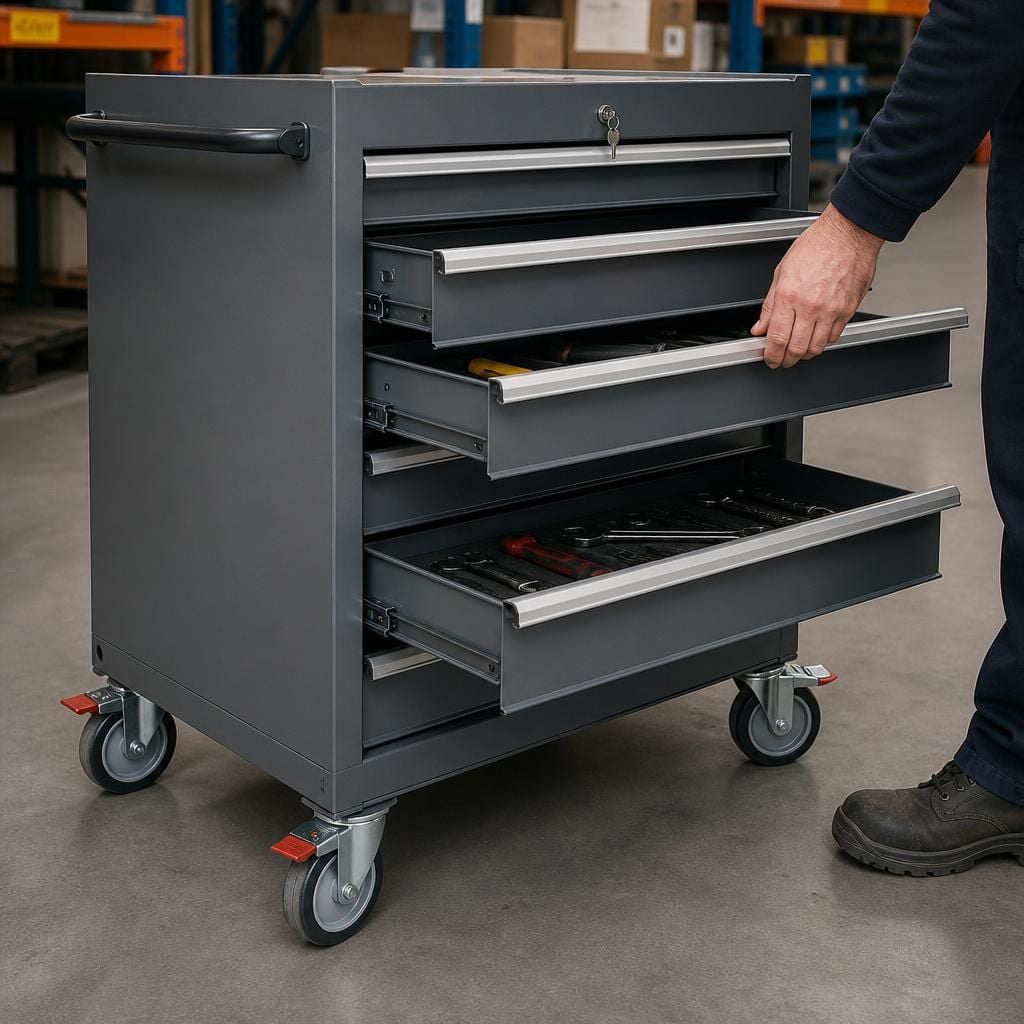
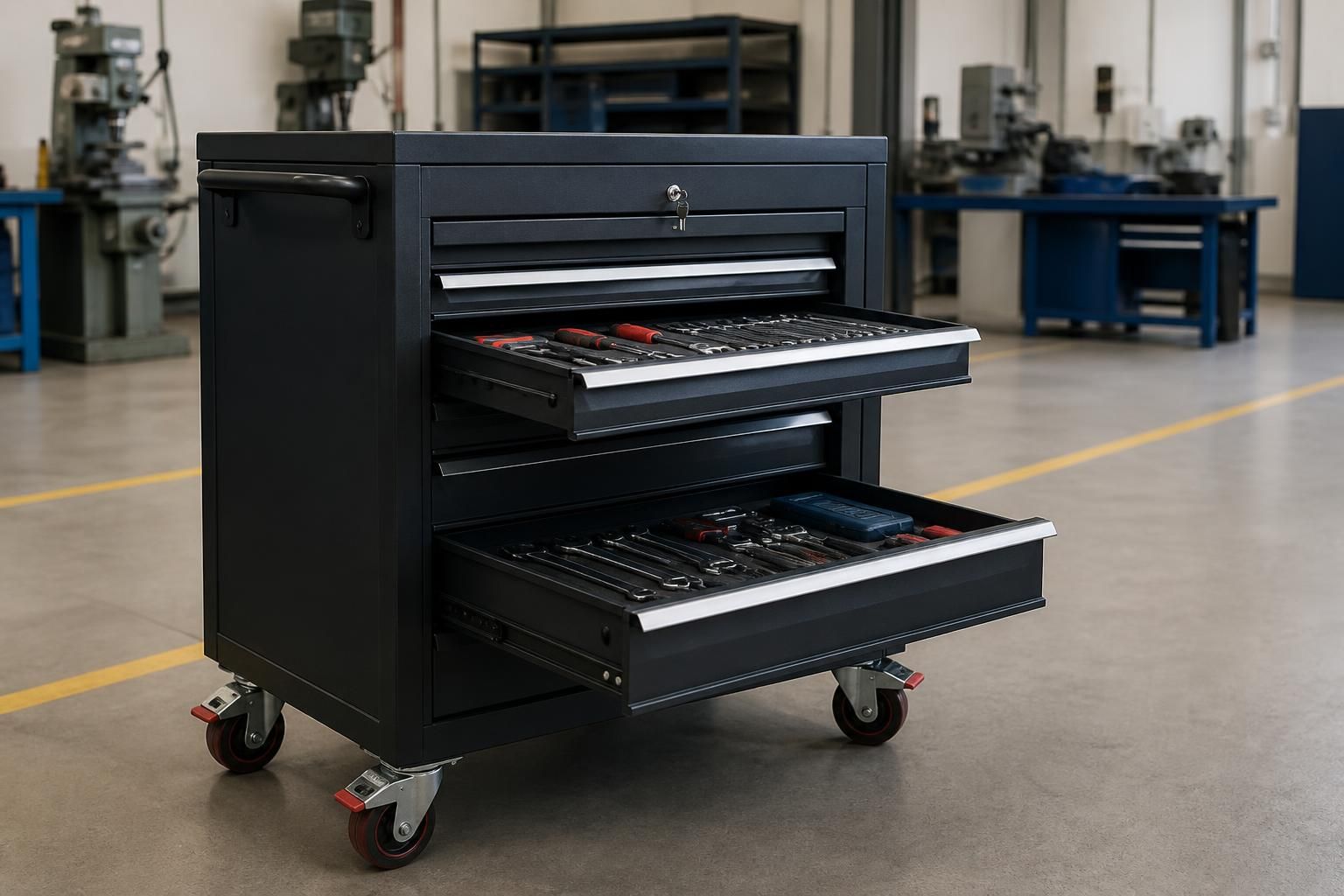
Mobile tool storage lockers should be checked for safe loading, stability, wheel and brake operation, clear access, and suitable positioning.
Record these points during a site survey, alongside hazards, movement routes and workplace separation needs, before installation.
Mobile tool storage lockers should meet the requirements of the work equipment, workplace safety and fire-risk controls applying to your site. Compliance is not usually demonstrated by one universal certificate. You should assess the locker, its use, its contents and its location together.
Check the following before the locker enters service:
- Suitability for the work. Confirm that the locker supports the tools, materials and working methods used by your team. Consider drawer operation, compartment sizes, tool weight, sharp edges and the frequency of access.
- Work equipment requirements. The Provision and Use of Work Equipment Regulations 1998 may apply because a mobile locker forms part of workplace equipment. It should be suitable for its intended use and maintained so it remains safe.
- Construction and moving parts. Inspect drawers, runners, handles, catches and locking arrangements. Look for exposed edges, loose components, damaged panels and pinch points that could injure users.
- Drawer retention. Check that drawers cannot open unintentionally during normal use. Where several drawers could open together, assess the risk of the locker becoming unsafe during access.
- Security of contents. Decide whether tools need controlled access. Check that the locking arrangement suits the people using the locker and the value or sensitivity of the contents.
- Manual handling. Review how tools enter and leave the locker. Heavier items should not create an unreasonable lifting demand or require awkward reaching during routine work.
- Electrical and specialist tools. If the locker stores powered equipment, batteries or chargers, check ventilation, cable condition and charging arrangements. Keep damaged batteries and electrical equipment out of normal storage until assessed.
- Fire precautions. Confirm that the locker does not obstruct fire equipment, escape arrangements or fire-resisting features. Storage of flammable materials may require separate controls under the site’s fire-risk assessment.
- Inspection and maintenance records. Record the initial check, the person completing it, any defects and the action taken. Set later checks according to use, risk, manufacturer information and the workplace assessment.
- Information for users. Provide clear instructions for opening, locking, moving, cleaning and reporting defects. Make sure users understand any restrictions on stored items and drawer use.
A risk assessment should explain how the locker will be used and identify controls for foreseeable misuse. It should also cover changes to the work area, staffing, stored equipment or operating process.
Do not treat a delivery note or product description as evidence that the installation meets every site requirement. The duty remains to assess the equipment in its actual working environment and address identified risks.
Our consultation may include a site meeting and survey, followed by written proposals and working drawings. This gives you a documented basis for checking the locker against the layout, work processes and site controls before installation.
Where a project includes related storage or workplace changes, we can coordinate proposals, drawings, installation and project management through final commissioning where required. The completed records should show what was checked, what assumptions were made and what requires later review.
Recheck the arrangements after relocation, damage, modification or a significant change in use. A mobile locker that was suitable for one task may require a fresh assessment when its contents or operating environment changes.
Test the locker in its intended position, using representative tool loads. Engage the wheel brakes, open drawers individually and check that the unit stays stable without excessive movement.
Stop the check if the locker shifts, tips or becomes difficult to operate. Record the result and resolve the cause before putting it into service.