


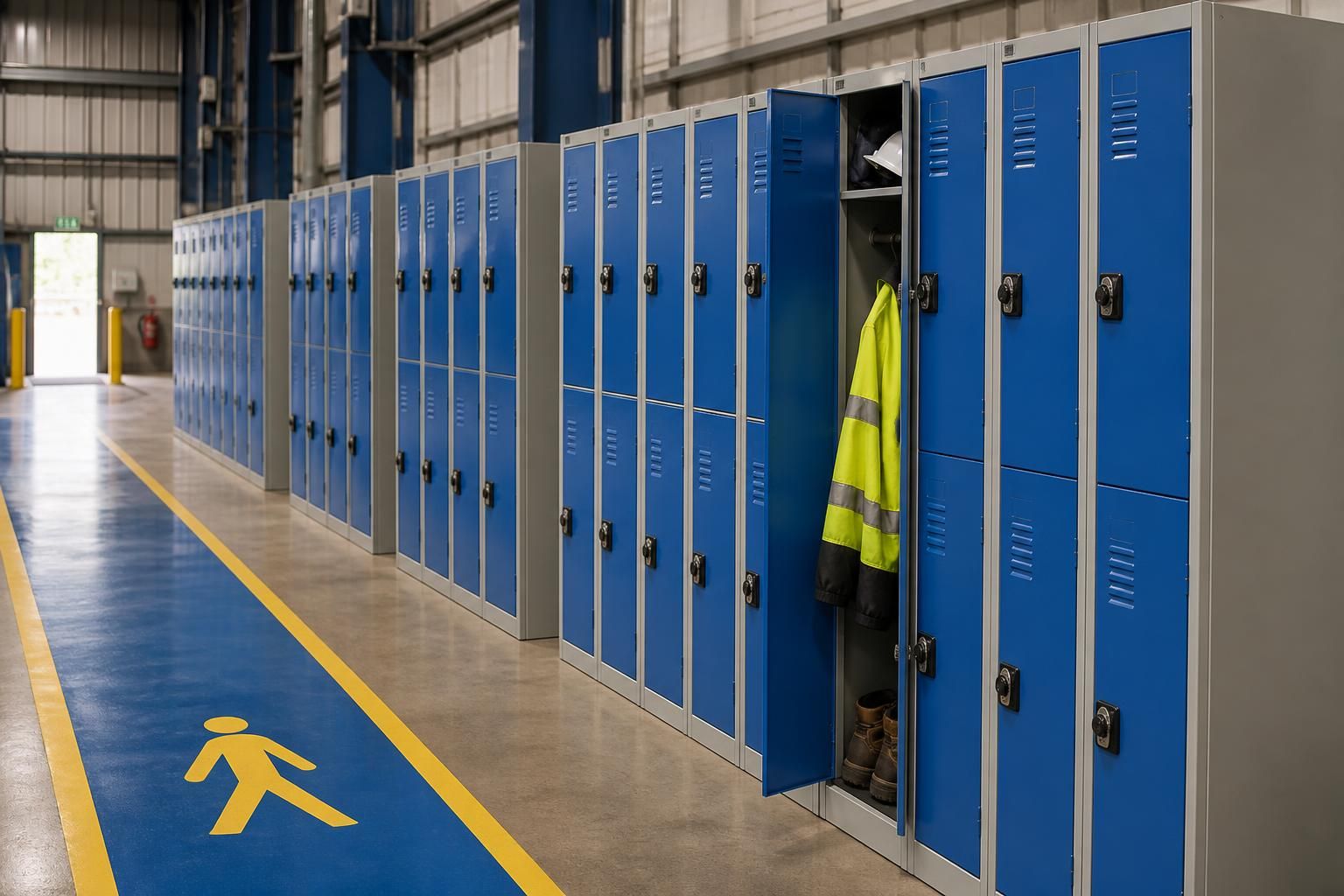
What should an industrial locker specification include before you request quotations?
Before requesting quotations, define the number of industrial storage lockers, available dimensions, locker configuration, access requirements, environment and fixing constraints. Include compartment, ventilation, security and installation requirements so suppliers can price the same specification and confirm fit within the workplace.
An effective industrial locker specification should define the intended use, contents, operating conditions, building constraints and quotation inclusions. This gives each supplier the same information and exposes omissions before pricing.
1. Describe the users and purpose
State who will use the lockers and where they will sit. Separate requirements may apply to production staff, warehouse teams, contractors, visitors or office personnel.
Explain whether the lockers will store clothing, personal possessions, tools, equipment or shared workplace items. Identify any need to keep clean clothing, workwear or personal belongings apart.
Include expected usage patterns, such as individual allocation, shared access, shift changes or occasional use. These details affect the practical specification and future management of the installation.
2. Record what the lockers must accommodate
List the largest items users will store, rather than relying on average contents. Note unusual shapes, footwear, helmets, bags, tools and protective equipment where relevant.
Give approximate weights for stored items and identify anything that could damage surfaces or doors. Suppliers need this information to assess the suitability of the proposed construction.
Also state the required number of lockers by department or location. A total figure alone may not show how the installation needs to operate across the site.
3. Define security and administration
Describe how users will receive, return and replace keys or other access devices. Include requirements for spare access, lost keys, vacancy management and emergency entry.
Confirm who will administer the lockers and whether numbering, labels or an allocation schedule will be needed. Ask quotations to identify these items separately.
4. Set appearance and identification requirements
Specify the required colour, finish and visual standard if the lockers will sit in a customer-facing or office area. Industrial locations may place greater emphasis on cleanability and clear identification.
State whether departments need colour coding, numbered doors, location labels or a particular arrangement. These details should appear in the quotation rather than being assumed later.
5. Provide accurate site information
Supply a marked plan showing the proposed locker locations, surrounding equipment, walkways and access routes. Include photographs where they clarify the available space or building layout.
Identify columns, doors, radiators, windows, sockets, fire equipment and other fixed features near the installation. Note any restricted delivery route or internal obstacle that could affect handling.
Confirm who will prepare the area and what must remain operational during the work. This helps suppliers state exclusions and identify coordination points before submitting prices.
6. Ask for a clear quotation breakdown
Request separate descriptions for the locker units, accessories, delivery, assembly, positioning, fixing and any site work. Ask suppliers to state what their price excludes.
The quotation should identify quantities, dimensions, materials, finish, locking arrangements and the proposed layout. It should also show any assumptions made because information was missing.
Ask for the quotation date, validity period and payment terms. Spartan Direct Limited’s terms state that a quotation remains valid for 14 Business Days from issue.
Agreed dates should be recorded carefully. The terms state that dates are estimates, with reasonable endeavours used to meet them, and time is not of the essence.
7. Request drawings and a site review
A site meeting or survey can test the written specification against the actual building. It can also identify access, layout or installation issues that photographs may miss.
We can use the consultation to prepare a written proposal and working drawings where required. Ask the quotation to confirm which drawings, revisions and project stages are included.
For a larger workplace project, confirm who will coordinate the proposal, tender information, installation and final commissioning. This creates a clear route from the initial specification to completion.
8. Compare quotations against the same brief
Do not compare headline prices alone. Check that each quotation covers the same quantities, specification, site assumptions, access arrangements and installation responsibilities.
Record unanswered points and request written clarification before choosing an option. A lower price may omit preparation, fixing, delivery details or items needed for the intended use.
A structured brief also gives you a useful record for future additions or replacements. It helps maintain consistent locker arrangements as departments, staff numbers or workplace layouts change.
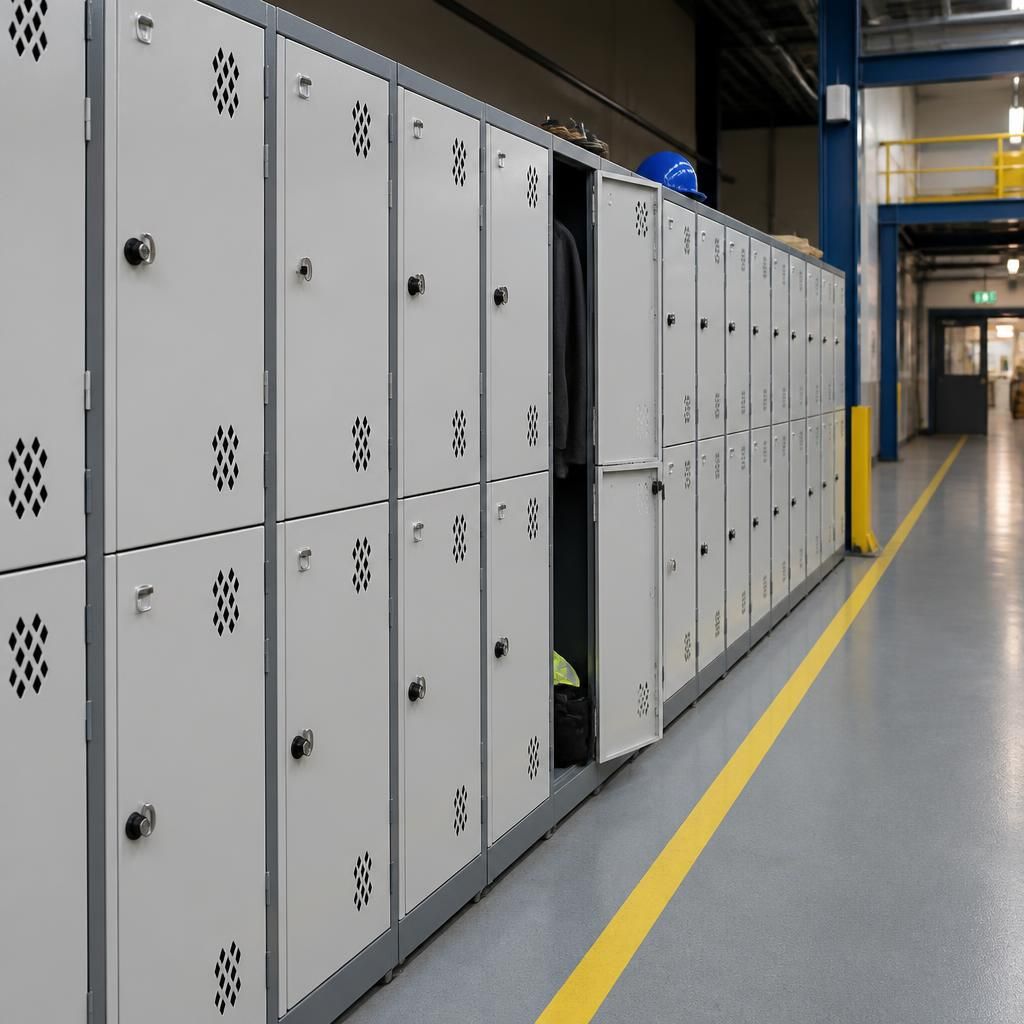
Separate essential requirements from preferences before requesting prices for industrial storage lockers. Mark security, compartment sizes, ventilation, finish and identification as required, preferred or excluded.
This prevents suppliers from pricing different assumptions. It also gives you a clear basis for reviewing alternatives without losing the features your workplace needs.



