


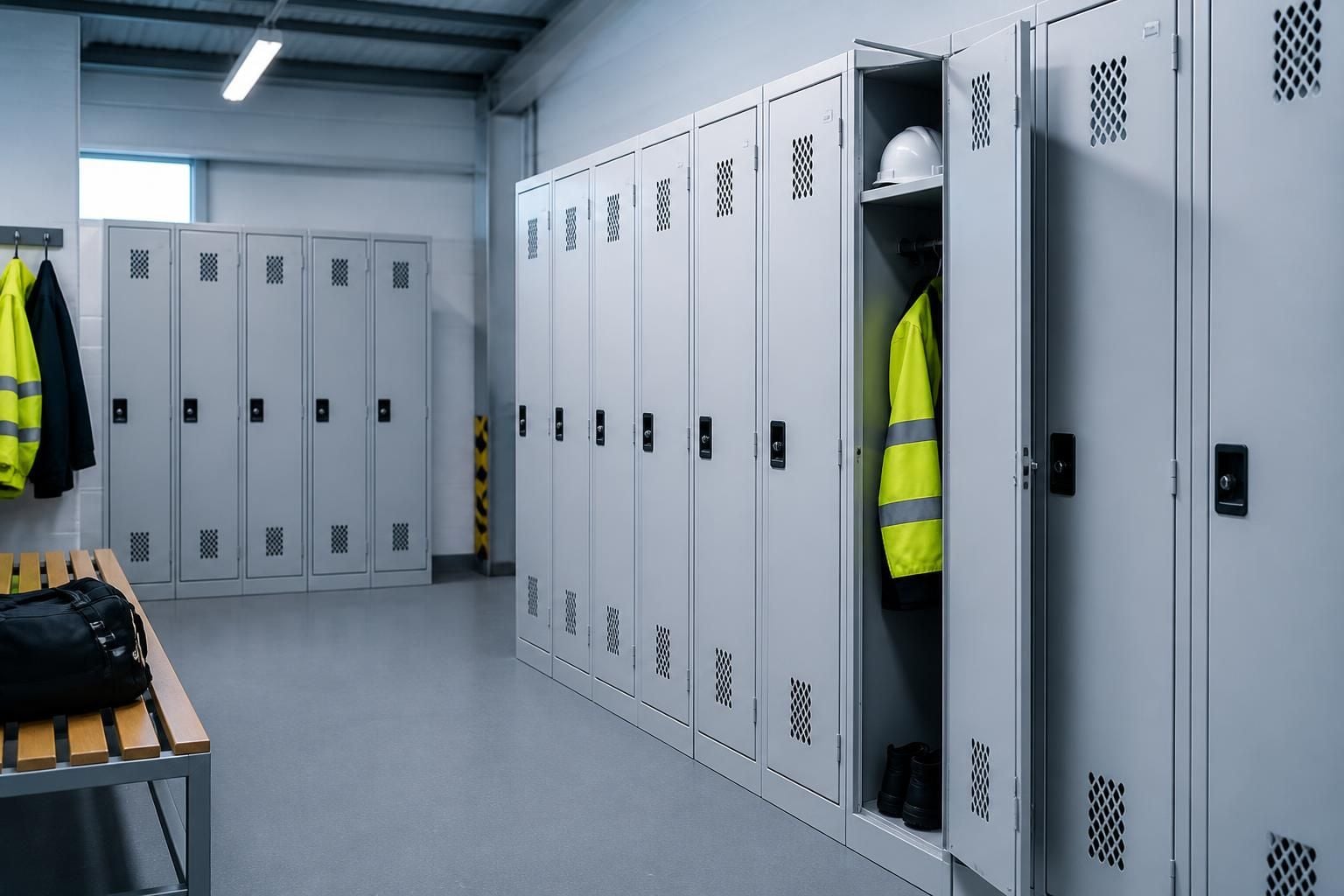
What locker safety requirements apply in your industrial workplace?
Industrial locker safety requirements generally cover stable installation, safe access, suitable materials, ventilation, fire arrangements, hygiene, and protection from sharp edges or unauthorised access. We can review your site and requirements before preparing a written proposal and working drawings.
Industrial locker safety requirements depend on the work, users, stored items and surrounding layout. A suitable arrangement should support employee welfare, prevent foreseeable misuse, and keep emergency and operational routes clear.
Start with a documented workplace assessment. Identify who will use the lockers, what they will store, and which hazards exist nearby. Consider clothing, personal belongings, PPE, tools, contaminated workwear and any substances requiring controlled storage. Do not assume one locker type suits every purpose.
- Separate clean clothing from workwear exposed to dust, oil, chemicals or other contaminants.
- Provide dedicated storage for PPE where employees must access it before entering a work area.
- Keep tools and equipment within lockers only when their weight and shape suit the locker construction.
- Prevent employees from storing incompatible items together.
- Set clear rules for prohibited items, housekeeping and reporting damage.
Check the locker’s intended use and loading. Personal storage lockers are not automatically suitable for heavy tools, long equipment or materials that could damage doors and shelves. Confirm the permitted load, compartment dimensions and operating method before ordering. Heavy items should remain at a practical height, reducing awkward lifting and falling-object risks.
Plan the position around workplace movement. Locker doors, users and stored belongings must not interfere with machinery controls, fire equipment, pedestrian routes, vehicle routes or workstations. If lockers sit beside pallet racking, mezzanine floors or production equipment, review the combined layout rather than assessing each item separately.
Where forklifts or vehicles operate nearby, consider physical separation and impact exposure. Safety barriers may be relevant where the risk assessment identifies a credible collision risk. Their position must still allow employees to use lockers without entering a vehicle route unnecessarily.
Consider user access and inclusion. Locker numbers should be visible, consistent and easy to match with allocation records. Handles, locks and controls should suit the people using them. Consider reach ranges, mobility limitations and reasonable adjustments for disabled employees during the layout review.
Control keys, codes and spare access. Decide who allocates lockers, manages lost keys or codes, and records changes. A locker should not become inaccessible because its key is misplaced. Your procedure should also explain how you recover belongings when employment or locker allocation ends.
Specify safe internal features. Check that shelves, hooks and compartments match the objects employees will store. Internal fittings should not create snagging points or encourage overloading. Doors should close properly, locks should engage consistently, and damaged components should be reported and removed from use until assessed.
Address workplace welfare duties. Changing arrangements should reflect the work’s conditions and the clothing employees must remove or wear. Where work creates significant contamination, separate arrangements may be necessary. Consult the relevant workplace welfare requirements alongside the risk assessment, rather than treating lockers as a standalone purchase.
Consider hazardous substances separately. Ordinary lockers should not automatically be used for flammable, reactive or otherwise hazardous materials. Check the substance’s safety information and the workplace’s control measures. Use the designated storage arrangement required by the risk assessment and applicable handling procedures.
Keep evidence of the decision. Retain the assessment, layout, specification, allocation procedure and records of reported defects. Review the arrangement after changes to staffing, processes, machinery or stored items. A locker system can become unsuitable when the surrounding operation changes.
For West Midlands workplaces, we can incorporate locker requirements into office fit-outs, partitioning and wider workplace layouts where those elements affect employee movement or separation. Our consultation may include site meetings and surveys, followed by written proposals and working drawings for the agreed scope.
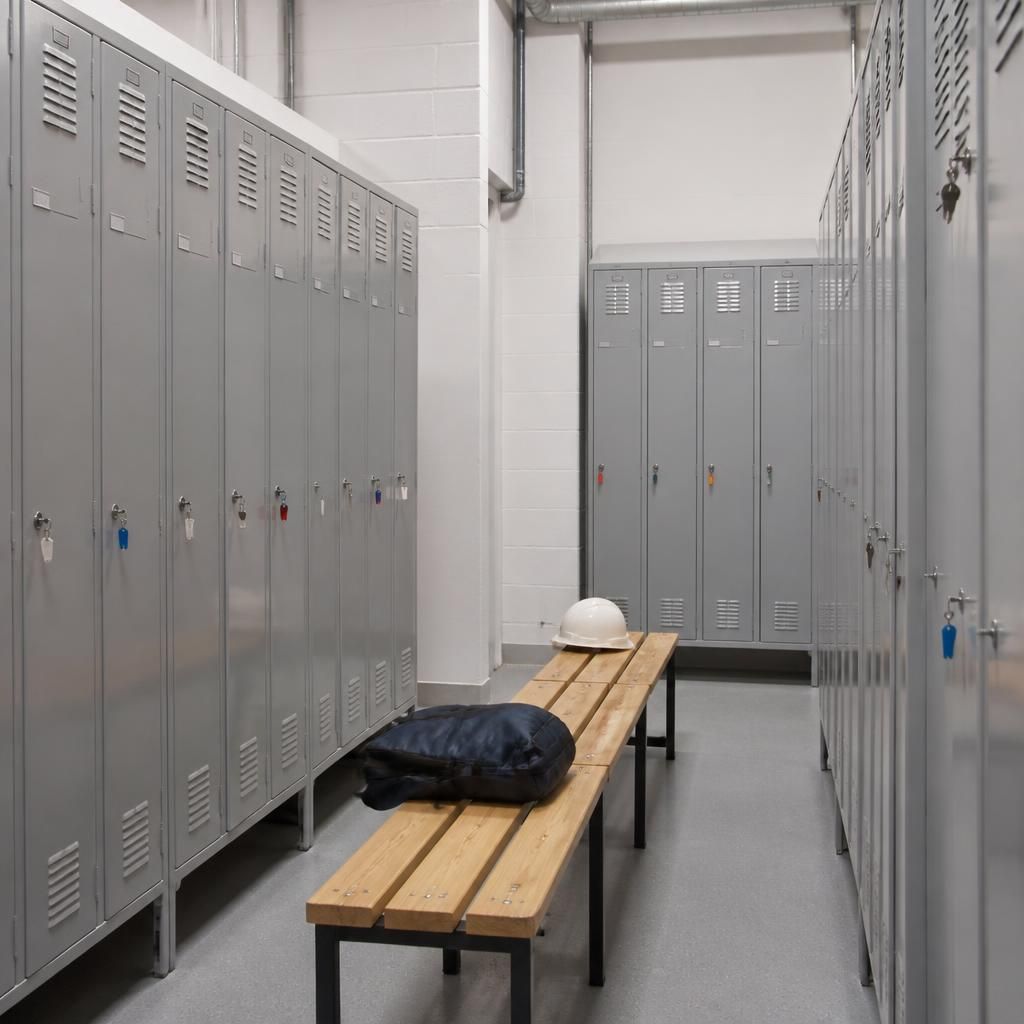
Do not assume a steel locker provides fire protection. Industrial locker safety requirements include confirming whether the locker is ordinary personal storage or has a stated fire performance.
Match the locker’s intended contents to the workplace fire risk assessment. Clothing, packaging and equipment may present different risks from flammable or hazardous substances. Those materials require designated controls, not ordinary employee lockers.
Ask for written information about the locker’s construction and intended use before approval. This prevents a storage unit being relied on for protection it was never specified to provide.



