Are single-tier or 3-tier lockers better for industrial workplaces?
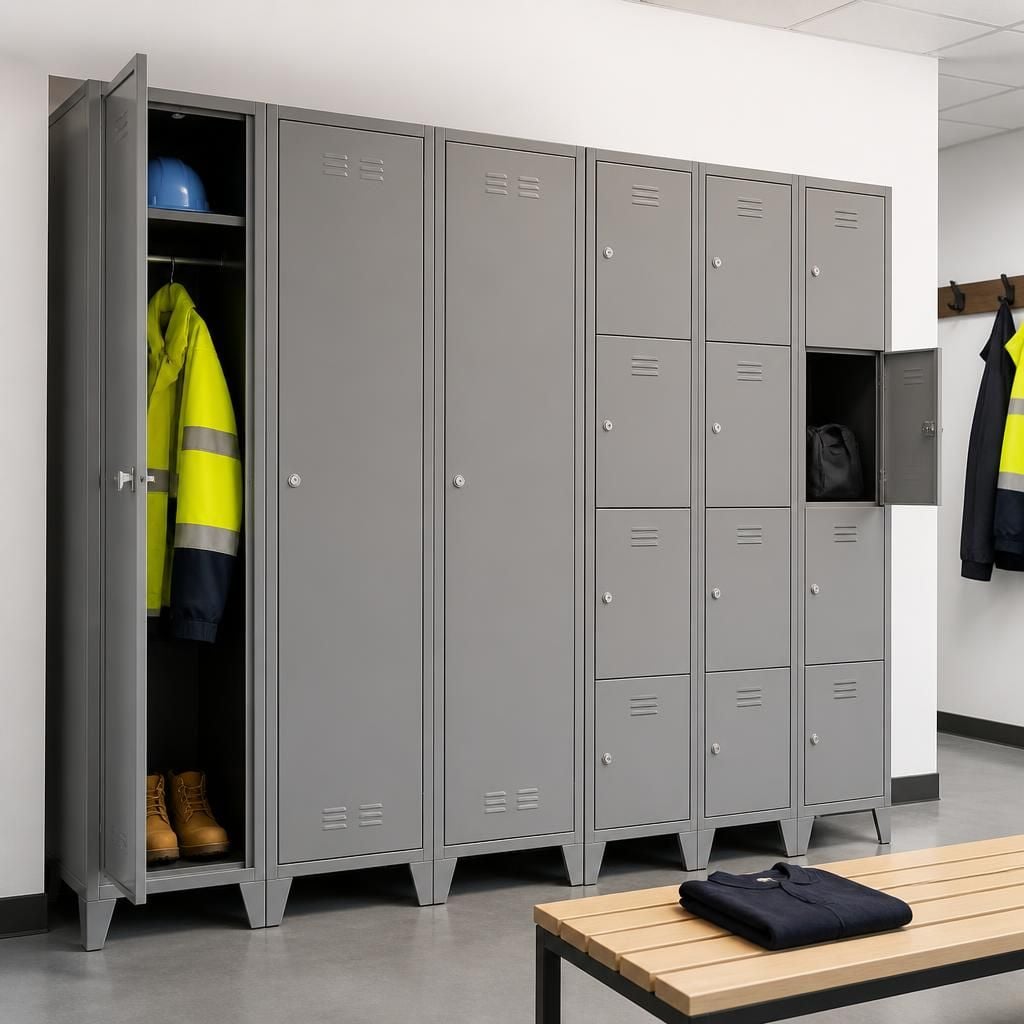
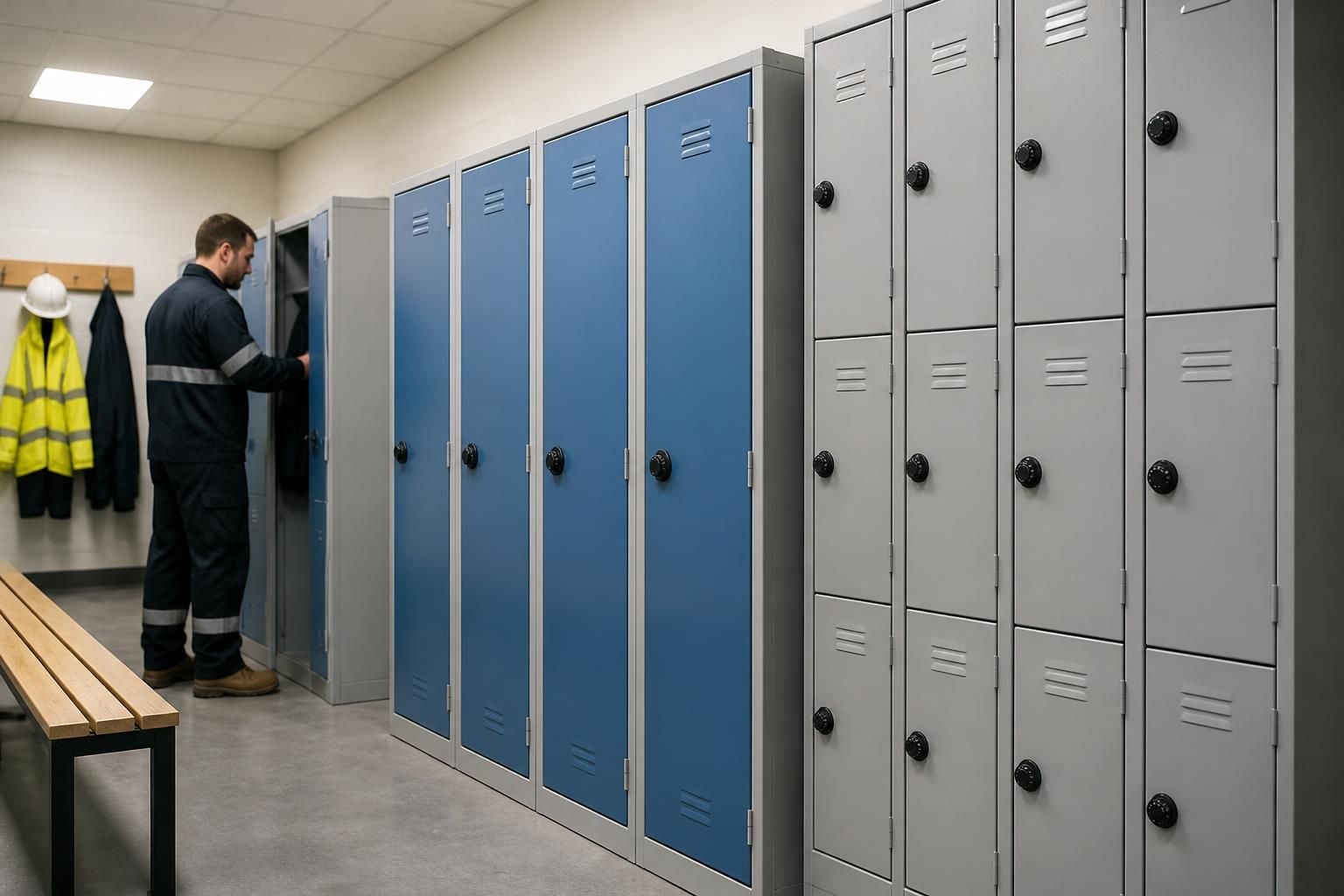
Single-tier lockers suit bulky workwear and personal equipment, while 3-tier lockers suit smaller items where floor space is limited. Choose between them according to item size, access needs and workforce storage requirements.
Neither configuration is universally better. The stronger choice depends on locker allocation, opening frequency, compartment access and future layout changes.
Choose single-tier lockers when allocation needs are clear. They suit arrangements where each person, shift or work area receives one full-height compartment. This makes ownership and day-to-day allocation straightforward.
Single-tier units can also support storage policies that need one designated space per worker. That approach may suit workplaces where lockers remain assigned rather than shared between shifts.
Check the available room around each door before choosing this layout. Door positions, circulation routes and nearby equipment can affect how comfortably people reach their lockers.
Choose 3-tier lockers when allocation needs more compartments. A stacked arrangement can provide several individual spaces within one vertical bank. This may suit changing areas serving multiple workers or shifts.
However, each compartment has a defined internal size. Confirm that the intended contents fit without forcing users to overfill spaces or leave items outside lockers.
Compare the two configurations against these criteria:
- Allocation: Decide whether each user needs one full-height space or a smaller assigned compartment.
- Access: Consider how often people open lockers and whether every compartment remains convenient to reach.
- Workforce changes: Allow for shift patterns, staff movement and future changes to locker assignments.
- Layout: Review doors, walkways, columns, workstations and equipment before fixing the locker position.
- Contents: List the items users will store, including clothing, bags, footwear and personal equipment.
- Management: Decide how you will number, allocate, inspect and reassign each compartment.
A 3-tier layout is not automatically the better use of a workplace. More compartments only help when their size and access suit the people using them.
Likewise, single-tier lockers may create an inefficient allocation if workers only need limited personal storage. The correct comparison concerns usable capacity, not locker count alone.
Consider a mixed locker arrangement when requirements differ. Some teams may need full-height storage, while others need smaller personal compartments. Separating those requirements can avoid giving every user the same specification.
Keep the locker decision connected to the wider workplace layout. Nearby shelving, pallet racking, partitioning or safety barriers can influence available circulation and access.
We can review the intended use during a no-obligation consultation. A site meeting and survey can establish dimensions, access routes, user numbers and storage requirements.
We then provide a written proposal and working drawings for consideration. Where required, project management can continue from proposal and tender stage through installation and final commissioning.
For a West Midlands workplace, ask us to compare single-tier and 3-tier lockers against the actual site conditions. That process gives you a reasoned specification rather than selecting by appearance or compartment count.
Use the locker bank’s intended allocation policy as a deciding factor. Single-tier lockers suit fixed assignments where each person keeps one identifiable space. Three-tier lockers can support more individual allocations within one bank, provided each compartment meets the storage brief.
Record the allocation method before ordering. Your plan should show who receives each compartment, how unused spaces are reassigned and how managers identify lockers during inspections. A clear policy helps the chosen configuration remain practical as teams and shift arrangements change.