Are bulk storage lockers suitable for shared industrial equipment?
Yes—bulk storage lockers can suit shared industrial equipment when items need a defined, secure location and users can access them safely.
Choose size, load capacity, locking arrangements and placement around the equipment, workflow and available floor space.
Yes. Bulk storage lockers can suit shared industrial equipment when several people use the same items and controlled storage matters. They work best when the equipment fits safely, users can reach it without awkward handling, and the locker location supports the working layout.
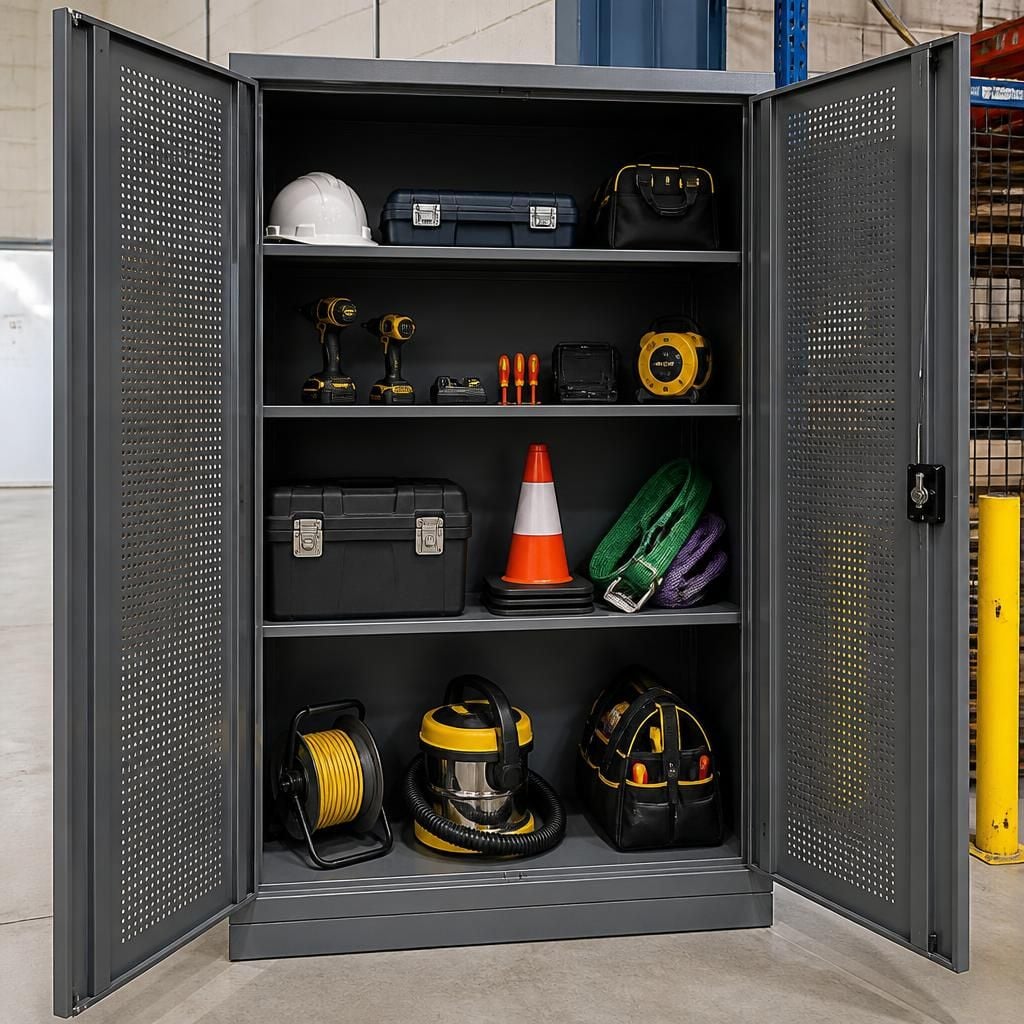
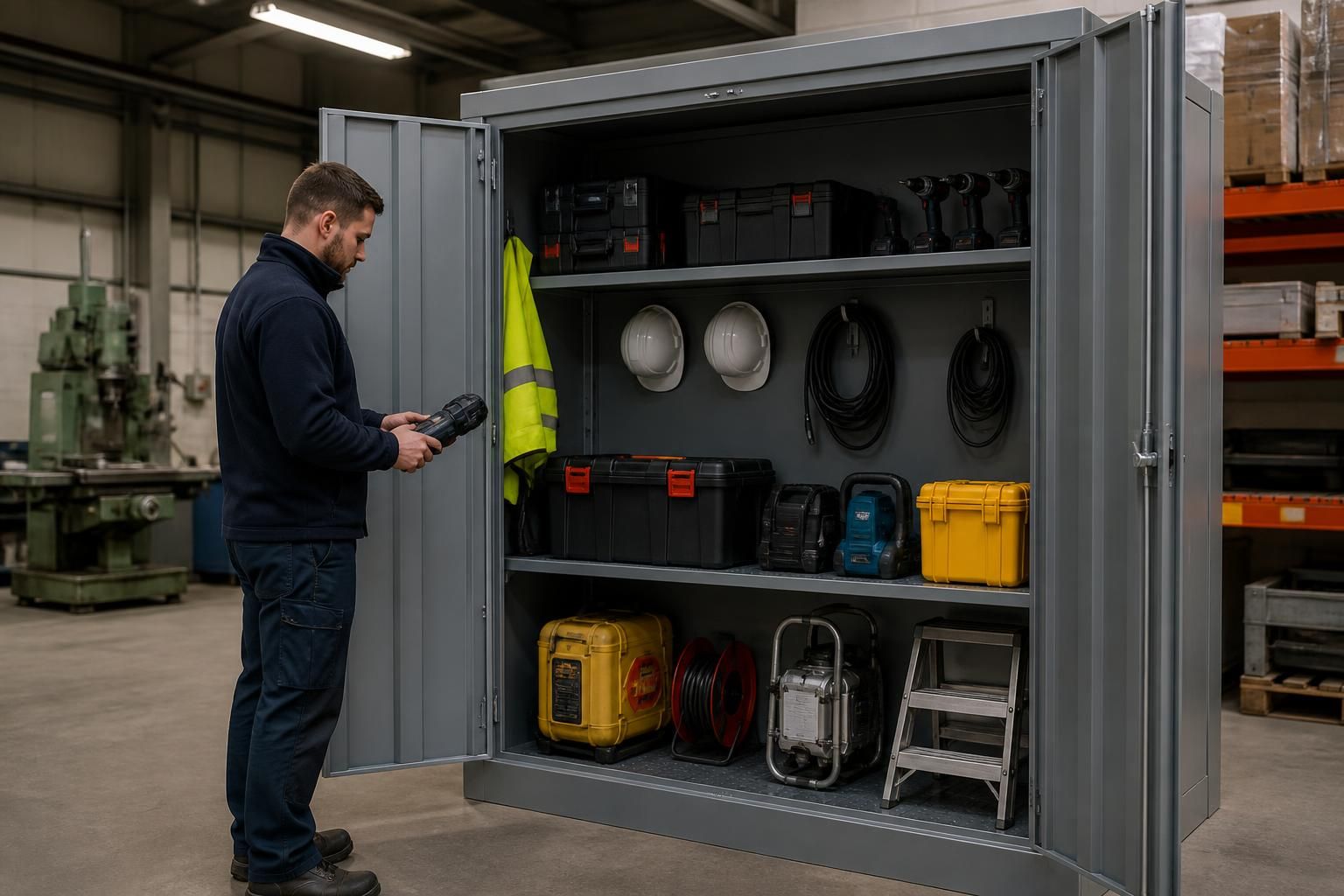
A bulk locker usually provides one larger storage space rather than separate personal compartments. This makes it suitable for shared tools, cleaning equipment, maintenance items, protective equipment issued by the team, or other stock used by several workers.
It may be less suitable when users need individual ownership, frequent personal access, or separate responsibility for items. In those cases, lockers with separate compartments may provide clearer allocation and simpler day-to-day control.
Assess the equipment before choosing a locker
- Measure the largest item, including handles, cables, cases and attachments.
- Allow room for users to remove items without pulling adjacent equipment into the access area.
- Check the combined weight of stored items, not only the weight of one object.
- Consider whether shelves, internal divisions or an open lower area would make access safer.
- Identify items that need upright, flat or separated storage.
- Keep frequently used equipment between comfortable handling heights where possible.
Do not treat the locker as usable capacity alone. The door opening, surrounding aisle and route to the work area also affect practical access. A locker that fits the equipment may still obstruct movement if positioned beside a busy picking, production or loading route.
Shared access needs a clear operating method
Decide who may open the locker and how users will know where each item belongs. A shared arrangement can become disorganised when equipment returns to different locations or damaged items go unreported.
- Label storage positions for commonly used equipment.
- Separate clean, used, damaged or awaiting-maintenance items where needed.
- Keep heavier items at safer handling levels.
- Set a simple process for reporting missing or damaged equipment.
- Review the contents when equipment changes or the team’s work changes.
Locking arrangements should match the reason for securing the equipment. A lock can restrict access, but it does not replace sensible allocation, housekeeping or safe handling. Confirm who holds keys or access details, and plan what happens if access information changes.
Consider the working environment
Industrial equipment may carry dust, oil, moisture or residues. Decide whether the locker needs cleaning access, internal separation or a position away from processes that could contaminate its contents.
Check the floor, nearby obstructions and the available clearance before ordering. The location should allow doors to open fully and users to remove equipment without entering an unsafe route or blocking other work.
For heavier contents, consider how items will be lifted into and out of the locker. A shared equipment locker should not encourage workers to drag, reach over obstacles or lift beyond a comfortable position.
When another storage system may fit better
Bulk storage lockers are not automatically the best choice for every shared item. Pallet racking may suit palletised stock, while shelving can provide faster visibility for smaller parts and frequently picked equipment. Mezzanine floors may add usable storage or workspace when the building and project requirements support that approach.
Lockers remain useful where the main need is contained, restricted-access storage near the people using the equipment. The right choice depends on item size, handling method, access frequency, security needs and available floor space.
How we can assess suitability
Spartan Direct can discuss the equipment, users and layout during a no-obligation consultation. A site meeting or survey can identify dimensions, access routes, floor constraints and workflow issues before a quotation is prepared.
Where the project requires it, we can provide written proposals and working drawings. This gives you a clearer basis for checking locker positions, access space and coordination with other workplace storage or safety infrastructure.
The key test is practical: can shared users identify, reach, return and secure the equipment without creating congestion or unsafe handling? If the answer is yes, bulk storage lockers may provide a suitable part of an organised industrial storage plan.
Check the load path as well as the locker’s internal space. Ask what weight the locker and any shelves can carry, then compare it with the combined equipment load.
Dense or heavy contents may also affect the base arrangement and floor beneath the locker. Confirm these points before ordering, particularly where equipment is concentrated in one shared unit.