


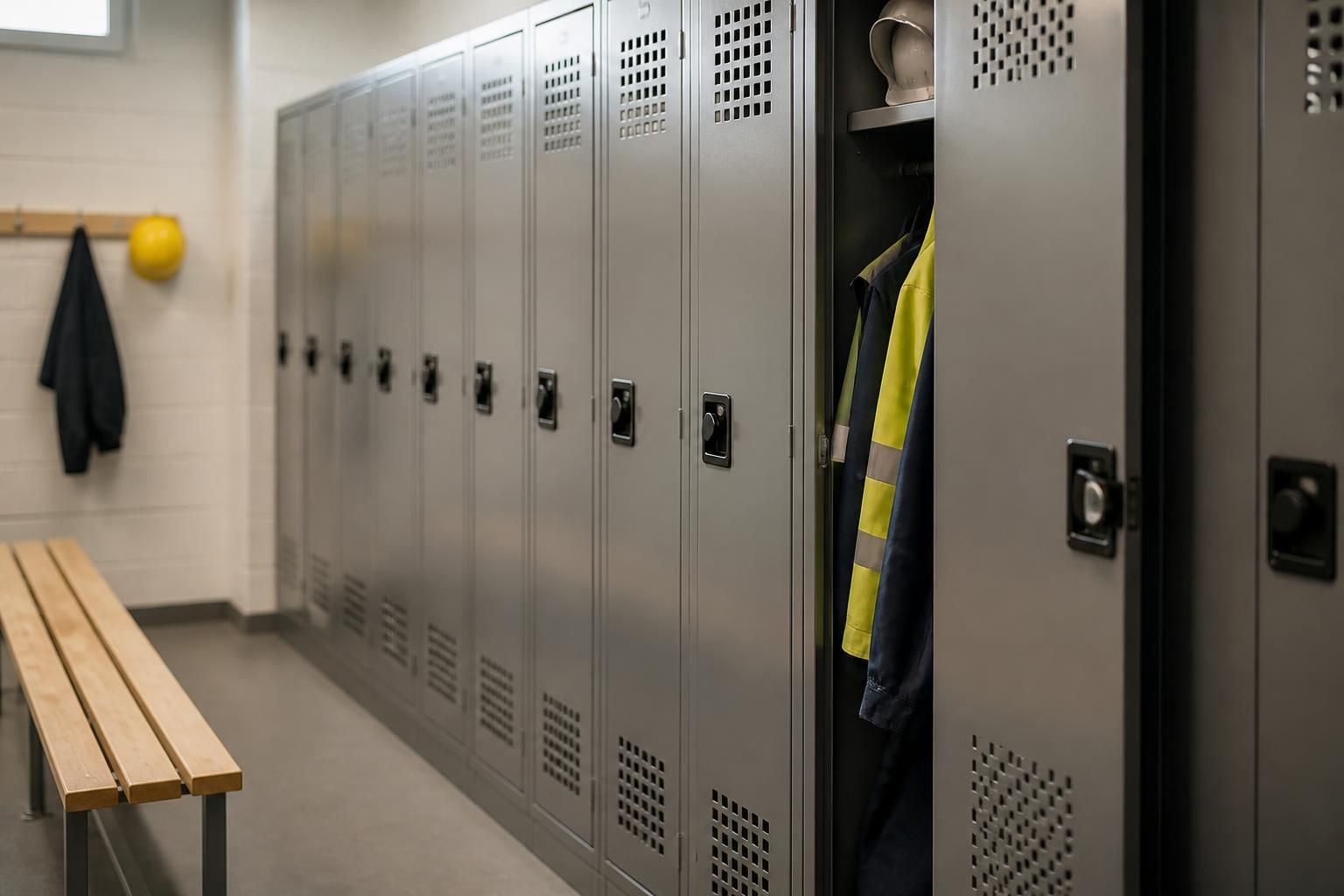
Do workplace storage lockers need ventilation?
Workplace storage lockers do not always need ventilation, but ventilated designs can help when staff store damp workwear, footwear or equipment. Assess moisture, odour, hygiene and workplace requirements before choosing vented or solid-door lockers.
Ventilation matters most when lockers hold damp workwear, wet footwear or equipment brought in from dirty or humid areas. For dry clothing and personal belongings, solid-door lockers may be suitable if the workplace keeps them clean and dry.
There is no single ventilation design that suits every workplace locker installation. The appropriate choice depends on what people store, how often items become damp, the changing-room arrangement and the cleaning requirements.
When ventilated lockers are useful
- Wet coats, boots or protective clothing need air movement after use.
- Workers bring clothing back from outdoor, washdown or process areas.
- Several people share changing facilities, increasing the risk of trapped odours.
- Stored items remain damp for long periods before collection or washing.
- The workplace needs better visibility of locker contents during inspections.
Vented doors, louvred panels and perforated sections allow air to move through the compartment. They can reduce stagnant air, but they do not dry soaked clothing on their own.
Provide a separate drying arrangement where workwear regularly becomes saturated. Staff also need enough space to hang or place items without compressing them against the locker walls. Overfilled compartments restrict airflow and make cleaning more difficult.
When solid-door lockers may suit better
Solid doors can suit offices and cleaner work areas where people store dry clothing, bags and personal items. They offer a more enclosed compartment and help keep stored belongings separate from dust or nearby activity.
They need closer consideration where moisture enters the locker. Damp clothing inside an enclosed compartment can create persistent odours and may affect hygiene. A solid door does not remove the need for cleaning, sensible storage practices or suitable changing facilities.
What to check before choosing
- Stored items: identify clothing, footwear, tools or equipment that may carry moisture.
- Moisture sources: consider rain, washdown areas, manufacturing processes and outdoor work.
- Use pattern: assess how long items remain inside and whether lockers are shared.
- Compartment size: allow sufficient room for bulky workwear without blocking vents.
- Cleaning: check whether floors, doors and internal surfaces can be cleaned easily.
- Separation: consider whether work clothing needs separate storage from personal clothing.
- Location: review the changing-room layout, surrounding airflow and access for cleaning.
UK workplace requirements focus on suitable welfare and changing arrangements rather than one compulsory locker ventilation pattern. You should assess the actual risks and document the reasons for the selected design.
Ventilation should also support, not replace, wider controls. Keep walkways clear, prevent water collecting around locker bases and provide appropriate arrangements for wet clothing. Follow cleaning instructions and review the setup if odours, mould or recurring dampness appear.
For a workplace handling dry personal items, solid lockers may meet the practical need. For damp clothing or equipment, ventilated lockers deserve stronger consideration. A site meeting and survey can help relate the locker type to the room, storage habits and workflow.
We can then prepare a written proposal and working drawings where required. This gives you a clearer basis for comparing locker ventilation, compartment layout and installation requirements before committing to a specification.
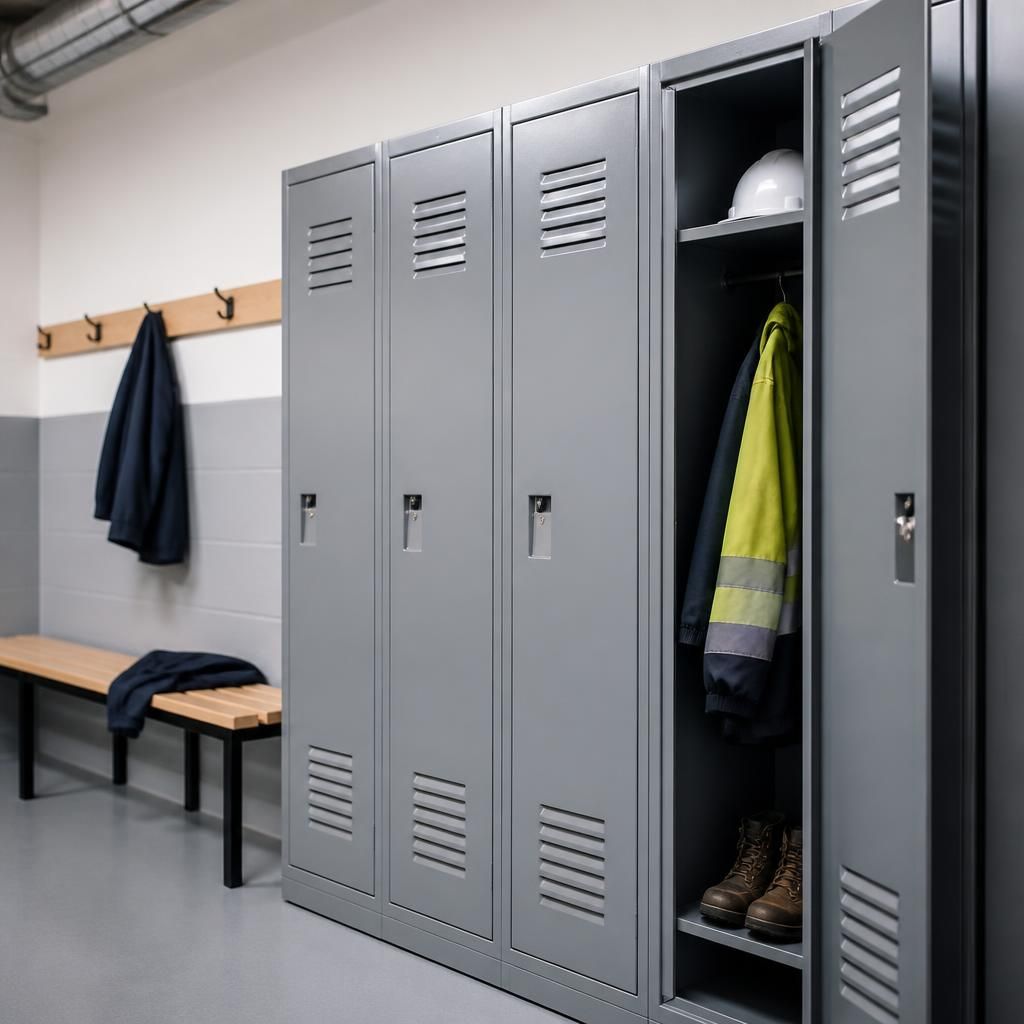
Ventilation only works when air can reach and leave each compartment. Keep louvres clear of clothing, labels and nearby fittings.
During specification, check the door design, compartment arrangement and surrounding clearance. This helps prevent blocked vents and supports practical inspection of stored workwear.



