Can heavy duty shelving support mixed stock sizes?
Yes, heavy-duty shelving can support mixed stock sizes when shelf levels, clearances and load ratings match each item. We use consultation, site surveys and working drawings to plan accessible storage around your stock and requirements.
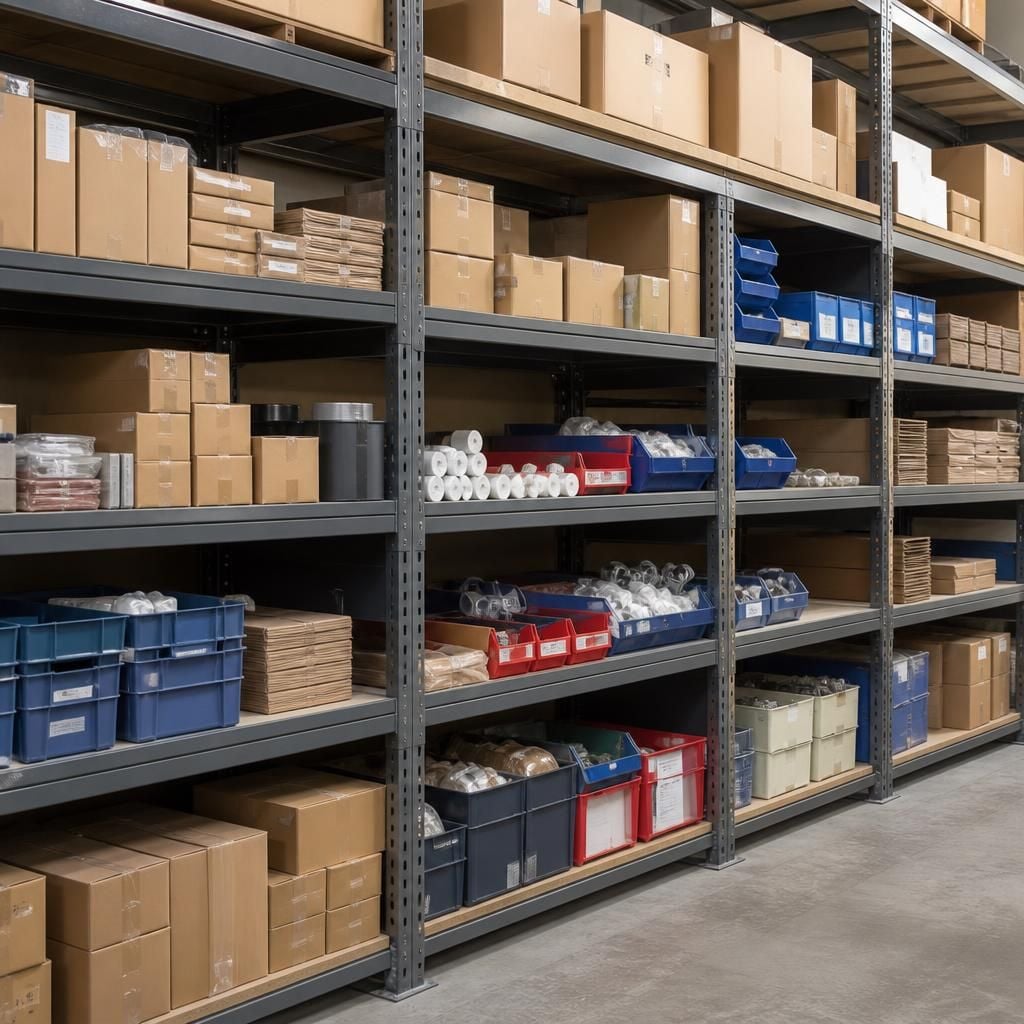
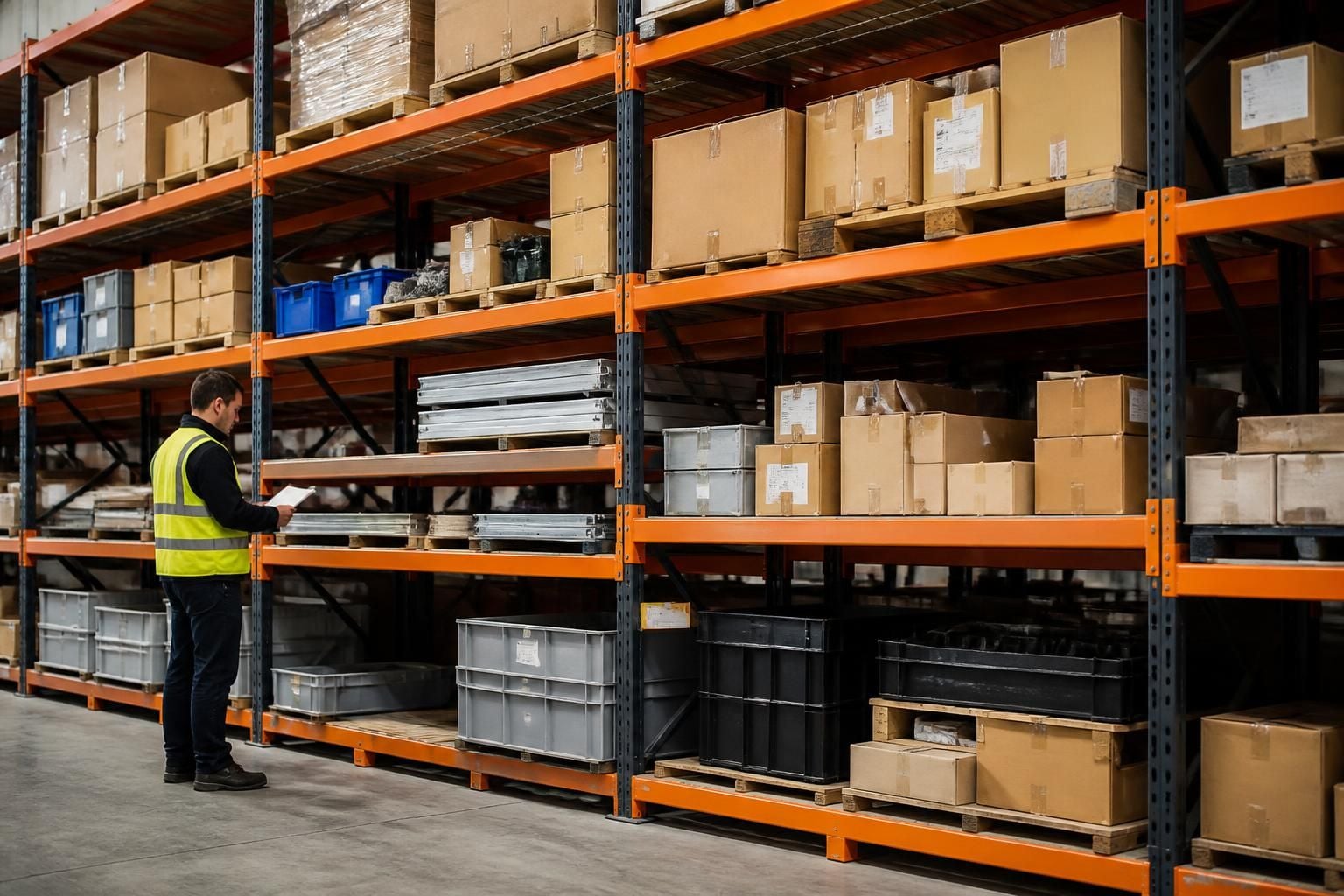
Mixed stock sizes are best supported by a shelving layout that separates load, dimensions and handling needs at each level. Heavy duty warehouse shelving can accommodate varied products when the structure, shelf arrangement and access method suit the stock.
Start by grouping items according to weight, size, frequency of access and handling method. Place dense or heavy goods on lower levels where practical. Lighter items can occupy higher shelves, provided staff can reach them safely and the shelf rating remains suitable.
Do not judge capacity by the bay alone. Each shelf has its own load limit, and the complete bay also has a maximum capacity. Loads should remain within both limits, with weight distributed across the shelf rather than concentrated in one small area.
Different shelf heights help prevent wasted vertical space. Smaller cartons may sit on closer levels, while taller products require greater clearance. Allow enough room to place and remove each item without catching adjacent stock or forcing awkward movements.
Shelf depth also affects how mixed stock is stored. A deep shelf may hold larger cartons, but small items can become difficult to identify when placed behind one another. Shallower levels may improve visibility and picking access for compact products.
Where one bay contains several stock types, separation can reduce errors. Dividers, compartment arrangements or clearly defined locations may help keep cartons, components and packaged goods apart. The right arrangement depends on item dimensions and how staff retrieve stock.
Access needs should influence the layout as much as storage capacity. Frequently picked items should be positioned where they are easy to identify and handle. Slower-moving or reserve stock may use less accessible levels, subject to safe access arrangements.
Mixed stock can also change over time. Adjustable shelf levels allow the available space to be reviewed as product dimensions, packaging or quantities change. Repositioning must not reduce clearances, obstruct walkways or exceed the shelving system’s rated limits.
Stock information should remain visible after installation. Labels, location references and capacity notices help staff place items consistently. Clear identification is particularly useful when similar products have different weights or handling requirements.
Floor conditions, aisle widths and surrounding equipment also matter. Uneven floors can affect the position and stability of shelving. Nearby doors, work areas and routes should remain usable after the bays are occupied.
For industrial stock, specialist items or unusually long goods, standard shelf arrangements may not provide the right support. A different storage category or a combination of shelving and pallet racking may be more suitable. Pallet racking, mezzanine floors, office fit-outs, partitioning and safety barriers can also form part of wider space planning where they directly affect storage use.
We assess the stock, handling requirements and available layout before recommending an arrangement. Our proposals and working drawings can show shelf positions, clearances and access routes, giving you a practical basis for checking how mixed stock will operate.
After installation, review the shelving when stock changes, shelves are moved or equipment makes contact with the structure. Keep damaged components out of use until their condition has been assessed. Regular racking inspections can identify issues that may not be obvious during routine picking.
The most suitable arrangement is therefore not simply the one with the greatest shelf count. It is the layout that holds different stock sizes within rated limits, preserves access and keeps the working area organised.
Mixed stock may need more than different shelf heights. Items with unstable bases, loose components or projecting edges need support that keeps them contained on the shelf.
Do not allow goods to overhang into an aisle or rest against the uprights. If an item cannot sit securely within the shelf area, a different storage method may be safer than forcing it into a mixed-stock bay.