


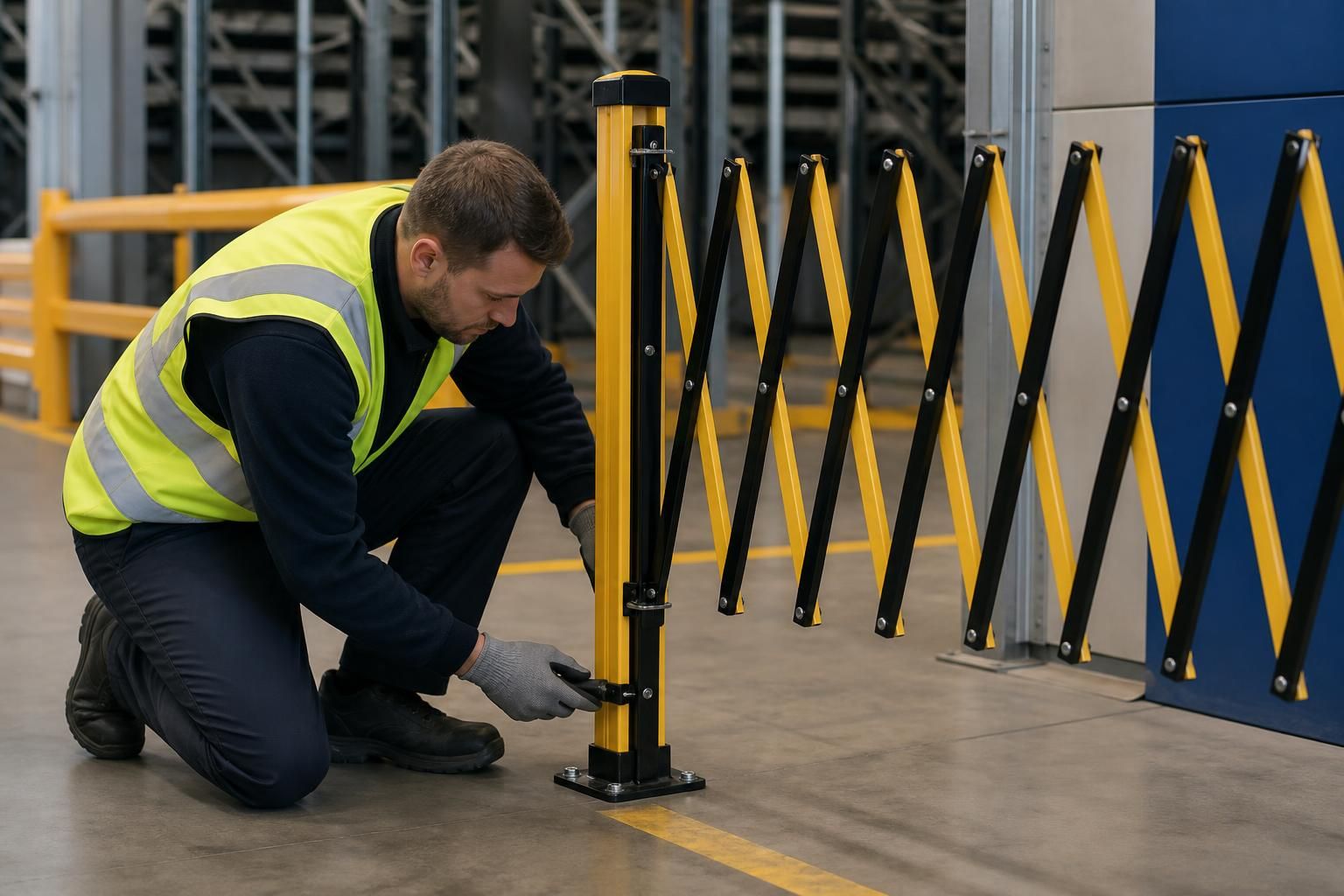
What maintenance should retractable barriers receive after installation?
After installation, include retractable barriers in planned safety checks, looking for damage, loose components, restricted movement and reduced visibility. Record defects, keep access routes clear and arrange repairs before returning an unsafe barrier to service.
Retractable barriers should receive scheduled maintenance based on their operating frequency, environment and construction. The maintenance plan should cover cleaning, mechanism care, fixings, locking points, warning markings and documented follow-up.
Start with the installation information. Keep the product instructions, installation details and any limitations with the site’s safety records. These documents help identify suitable cleaning methods, adjustment procedures and replacement parts.
Record the barrier’s location, purpose and normal operating pattern. A barrier used repeatedly at a busy loading area may need closer attention than one protecting an infrequently accessed zone.
Include these maintenance tasks in the schedule:
- Remove dust, packaging residue and other material from the barrier and its operating area.
- Check that moving sections travel smoothly without catching, scraping or folding unevenly.
- Examine hinges, pivots, wheels, guides, catches and locking points for wear or distortion.
- Check posts, brackets and floor fixings for movement, corrosion or visible damage.
- Confirm that warning labels and visibility markings remain present and readable.
- Check that the barrier reaches its intended stopping and locking positions.
- Review drainage and housekeeping where moisture, grit or process debris could affect operation.
Do not apply lubricant, alter tension or adjust a locking mechanism unless the product instructions permit it. Unsuitable adjustments can affect movement and secure positioning.
Use a clear defect process. A maintenance record should identify the barrier, inspection date, person completing the check, findings and action taken. Record temporary controls where a barrier cannot safely perform its intended function.
Keep damaged equipment out of service until a suitable repair or replacement has been completed. Do not rely on tape, improvised fasteners or blocked-off access as a permanent remedy.
Pay particular attention after an impact or layout change. A collision can affect floor fixings, posts and internal mechanisms without leaving obvious external damage. Repositioning nearby racking, machinery or partitioning can also alter access and operating clearances.
Review the barrier after changes to traffic routes, storage locations, pedestrian segregation or loading activity. The original arrangement may no longer provide the required access control or protection.
Separate routine care from specialist work. Site teams can usually manage cleaning, records and basic visual checks when they understand the equipment and its safe operating method. Repairs, replacement components, anchorage problems and damaged mechanisms need suitable technical assessment.
Do not return a barrier to normal use simply because it can still be moved. Its locking, separation and protection functions must remain suitable for the site’s requirements.
Spartan Direct can discuss maintenance needs alongside safety barriers, workplace segregation and other space-planning work. Our consultation may include a site meeting and survey, followed by written proposals and working drawings where the scope requires them.
For projects involving layout changes, we can coordinate the proposal, installation and project management through final commissioning where required. That approach helps you consider access, protection and workflow together rather than treating the barrier as an isolated item.
Ask for a review when the barrier shows recurring faults, suffers an impact, becomes difficult to operate or no longer suits the surrounding layout. Provide the location, barrier type, operating problem and any recorded incidents so the next action can be assessed properly.
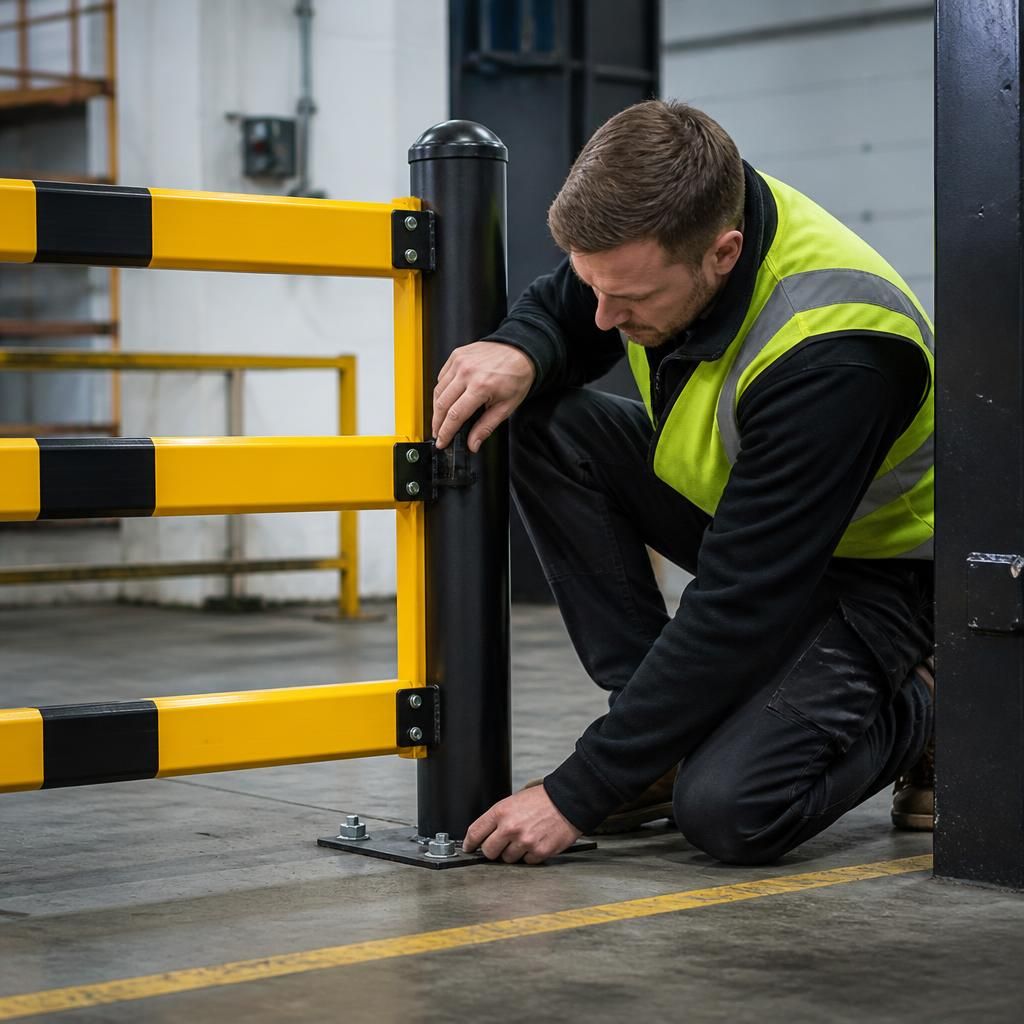
Use maintenance records to identify patterns, not simply to close individual tasks. Repeated faults at one barrier can indicate a recurring impact, unsuitable clearance or a problem with its operating position.
Compare the location, defect type and surrounding activity before choosing further repairs. This evidence supports a focused review of protection, access and workflow, rather than repeated adjustments without addressing the underlying cause.
Discuss retractable barrier maintenance for your site
Arrange a no-obligation consultation with Spartan Direct to review retractable barrier maintenance alongside your site’s access and protection requirements. We can use a site meeting and survey to develop written proposals where the scope requires them.



