


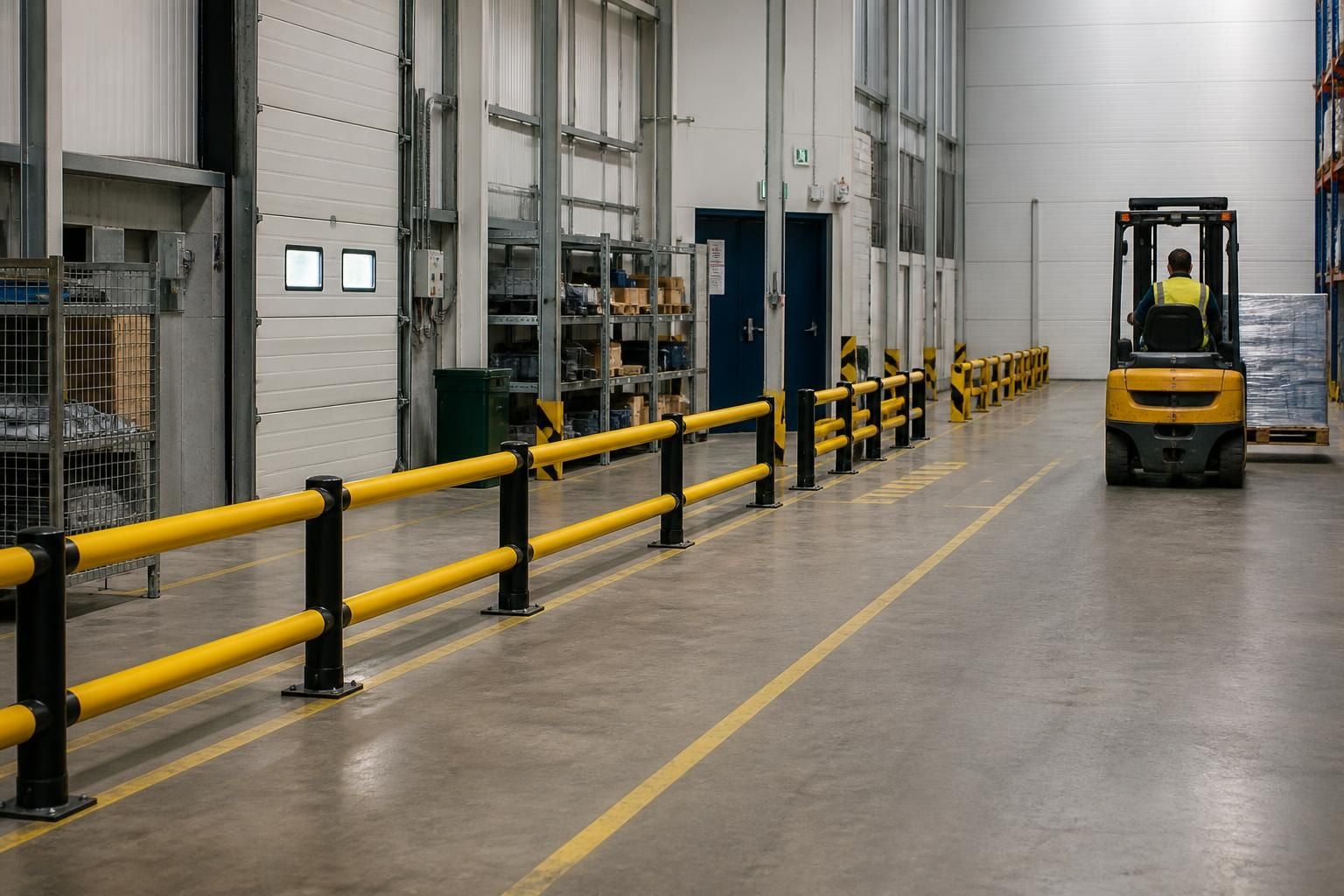
Which barrier protection system suits phased installation?
Safety barriers suit phased installation when the site can be divided into clear work areas, protecting priority zones while other operations continue. We can assess access, traffic and layout through a site survey, then prepare drawings and an installation sequence for your requirements.
Safety barriers suit phased installation when each work area can operate as a defined installation stage. A sectional arrangement allows priority risks to be addressed first, while later stages follow an agreed sequence.
The right choice depends on more than the barrier itself. You should consider vehicle routes, pedestrian movement, protected assets, floor conditions and future layout changes together.
- Prioritised protection: Start with areas facing the greatest impact risk, such as loading points, junctions, doorways or exposed equipment.
- Independent sections: Specify separate barrier runs where possible, rather than making one long installation dependent on every stage.
- Defined end points: Each completed section needs clear termination and protection at its ends. This avoids leaving partial runs ambiguous during later work.
- Consistent alignment: Keep barrier lines, pedestrian routes and vehicle approaches consistent between stages. This reduces confusion as the protected area grows.
- Future connection points: Allow later sections to meet the installed work without creating gaps, awkward corners or access restrictions.
Floor-fixed safety barriers often suit phased work because installers can complete individual runs without removing a whole protection line. The floor construction and fixing positions still need checking before specification.
Where vehicles and pedestrians share space, phased work should follow the movement plan. Protect the route that carries the greatest exposure first, then extend separation as later sections are installed.
Temporary changes also need recording. A completed stage may alter turning space, access to stock or the route used by contractors. Mark the revised arrangement clearly until the next stage is complete.
Installation planning should identify more than the order of barrier sections. It should also cover delivery access, working space, stored materials, installation equipment and the route left available for site operations.
A site survey can record these constraints before work starts. We can then prepare written proposals and working drawings showing the proposed barrier layout and installation stages.
For larger projects, project management may cover proposal and tender stages through installation and final commissioning. This gives you a single sequence for coordinating related work and site access.
Phased installation is less suitable where every area depends on one continuous barrier line. It may also require reconsideration where floor conditions prevent the planned fixing method or where routes change frequently.
Ask the specification to identify each stage, its protection boundary, access arrangements and the work needed before the next stage begins. This makes the scope easier to review before installation.
After each stage, inspect the completed section against the drawings and record any agreed changes. The final record should show the installed arrangement, not only the original proposal.
Spartan Direct Limited has worked with storage, workplace and industrial space since 1982. That experience informs the survey, drawing and installation sequence, while the final arrangement remains dependent on your site and requirements.
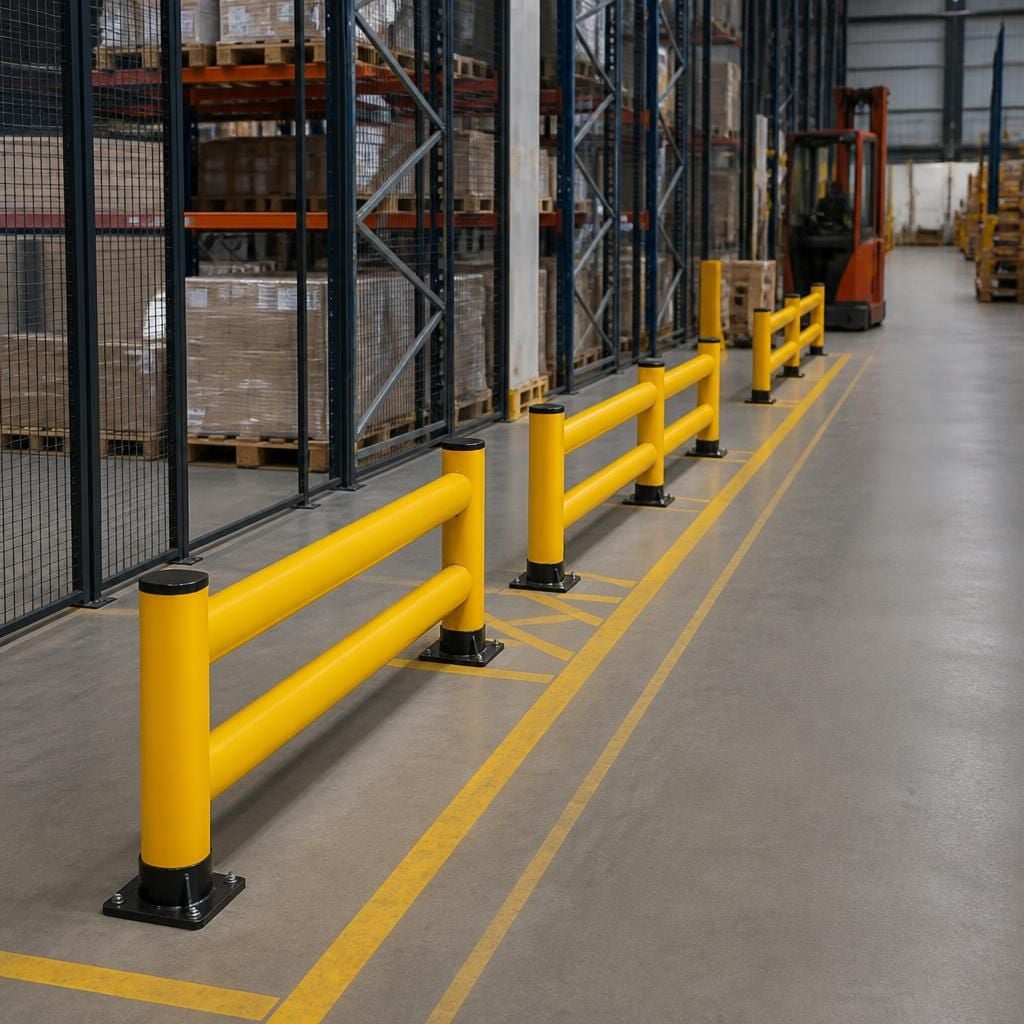
Plan phased barrier protection around clear handover points between work areas. Each package should state its boundary, access status and remaining protection, so site teams can distinguish completed work from the next installation stage.
This record supports orderly decisions when stock, vehicles or contractors use the surrounding area during the project. It also gives the final inspection a clear sequence to follow.



