


How Mezzanine Floors Are Designed and Built
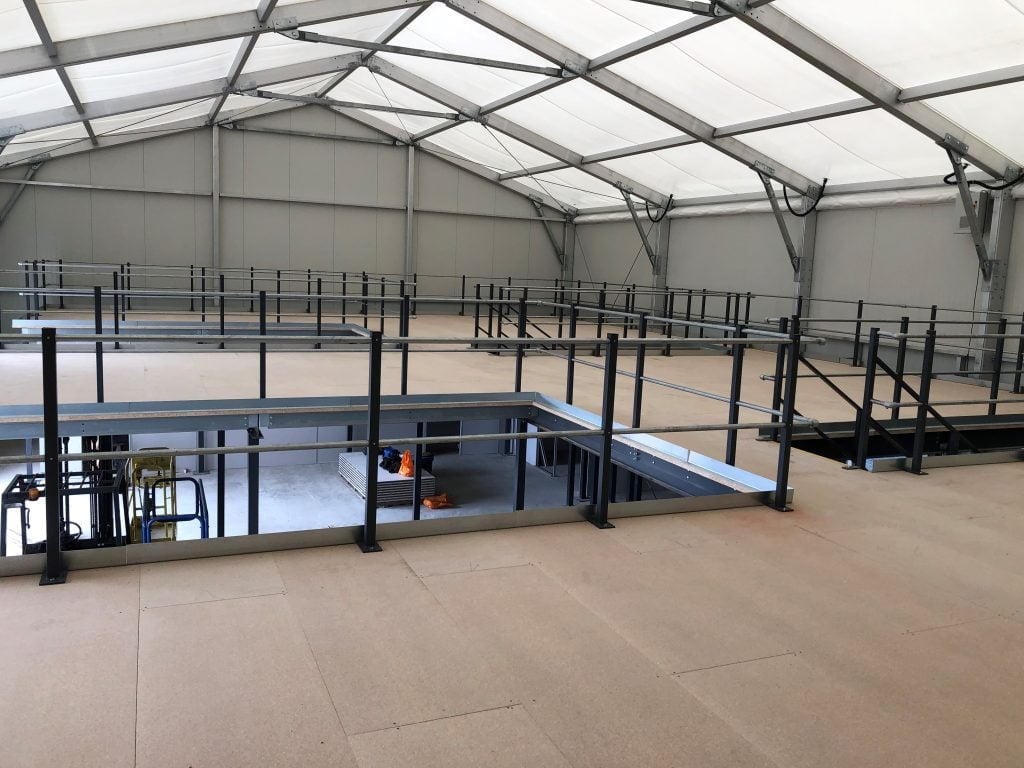
A mezzanine floor combines smart design with robust engineering. Each structure is tailored to its environment — whether that’s a busy warehouse, stylish retail space, or open-plan office. The design process balances functionality, safety, and visual appeal while ensuring compliance with UK building and fire regulations.
At Spartan Direct, our design team uses precise load calculations, CAD layouts, and structural steel modelling to create efficient, compliant mezzanine systems. From choosing the right steel frame to selecting flooring materials, handrails, and finishes, every detail is engineered to meet your operational needs and aesthetic goals.
A well-designed mezzanine not only increases usable space but also enhances workflow, safety, and presentation — key for any business aiming to make the most of its building.
Speak to Our Design Team
From initial concepts to fully engineered drawings, Spartan Direct delivers safe, efficient, and visually impressive mezzanine floors across the UK.
Contact our design experts today for tailored advice or a free quotation.
10 Common Questions About Mezzanine Floor Design and Structure
How is a mezzanine floor designed?
A mezzanine is designed around your space, load requirements, and intended use. Engineers consider column spacing, headroom, and fire safety while creating CAD drawings and structural plans.
What materials are used in mezzanine construction?
Most mezzanines use steel columns and beams for strength, with decking made from particleboard, open-grid steel, or composite panels. Flooring finishes vary from carpet tiles to anti-slip coatings.
How strong is a mezzanine floor?
The strength depends on its design load. Typical floors are built to support 3.5–4.8 kN/m², but heavy-duty industrial floors can handle much higher loads for machinery or pallet storage.
What is the typical column spacing on a mezzanine?
Column spacing usually ranges from 3 to 6 metres, depending on load and building layout. Wider spans can be achieved using heavier beams or bespoke steelwork.
Can a mezzanine floor be designed to match existing interiors?
Yes. Mezzanine floors can include bespoke finishes such as glass balustrades, powder-coated steel, suspended ceilings, and integrated lighting to match your brand or office décor.
What safety features are included in mezzanine design?
Standard safety features include handrails, kickplates, staircases, pallet gates, and edge protection. All are designed to meet current UK safety regulations.
Are mezzanine floors fire-rated?
Yes — mezzanines require fire protection depending on size, use, and occupancy. Fire-rated ceilings, column casings, and stair enclosures are integrated where necessary.
How does lighting and ventilation work on a mezzanine?
Designers plan lighting and airflow to ensure comfort and visibility. Options include LED panels, motion sensors, and HVAC extensions to the new level.
What building regulations apply to mezzanine design in the UK?
Designs must comply with the Building Regulations 2010, particularly sections for structural integrity (Part A), fire safety (Part B), and accessibility (Part M).
Can mezzanine floors be relocated or modified later?
Yes. Many mezzanines are modular, allowing sections to be dismantled, relocated, or expanded as business requirements evolve.


